Unleashing the Power of Flexible Heaters in Modern Engineering
Understanding Flexible Heaters and Their Applications
What Are Flexible Heaters?
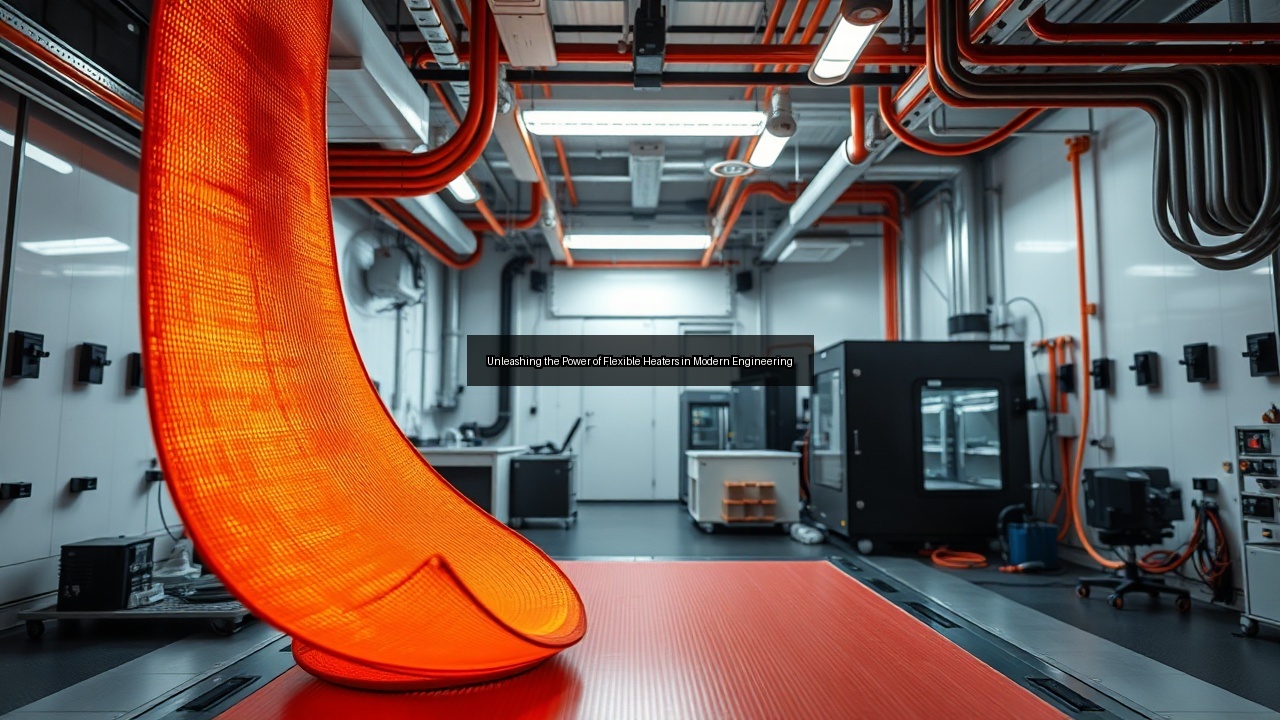
Flexible heaters transform electric heating by delivering precise, adaptable warmth in spaces where rigid heaters fail. Engineers rely on these innovative devices to maintain optimal temperatures in curved surfaces, tight enclosures, or dynamic environments. At their core, flexible heaters consist of thin, bendable materials embedded with resistive elements that generate heat when electricity flows through them. This flexibility in heating allows integration into products ranging from medical devices to aerospace components, solving challenges that traditional electric heaters cannot address. Unlike bulky alternatives, flex heaters conform to irregular shapes without losing efficiency, making them essential for modern engineering projects. Companies like Minco lead in producing these flexible heating elements, ensuring durability and performance under stress. When searching for the best flexible heater solutions, professionals prioritize their ability to withstand vibrations, chemicals, and extreme temperatures while providing uniform heat distribution. This adaptability drives their popularity in industries demanding reliability and innovation.
Key Components of Flexible Heaters
Flexible heaters rely on a synergy of specialized parts to achieve their remarkable performance. The heating element forms the heart, typically a etched foil or wire pattern that produces controlled heat through electrical resistance. Encapsulating this, substrates like silicone rubber or Kapton provide the bendable backbone, allowing the heater to flex without cracking. Adhesive layers, such as Kapton tape, secure components during assembly, ensuring longevity in demanding applications. Sensors, including thermocouples, monitor temperature to prevent overheating, integrating seamlessly with flexible circuits for automated control. Etched circuits offer precise power distribution, while insulation materials safeguard against electrical hazards. Understanding these elements helps engineers design custom flexible heating solutions tailored to specific needs. For instance, in high-vibration settings, reinforced edges enhance durability. Tools like online calculators assist in selecting resistance values based on Ohm's Law, optimizing power input for efficient heating. This modular construction empowers flexible heaters to outperform standard electric heaters in versatility and safety.
Applications in Modern Engineering
Modern engineering harnesses flexible heaters across diverse sectors, from automotive to biotechnology, where consistent heat proves vital. In aerospace, these flex heaters de-ice aircraft surfaces or warm fuel lines, enduring harsh conditions without adding weight. Medical devices use them to regulate temperatures in wearable diagnostics or surgical tools, ensuring patient safety through precise thermal management. The semiconductor industry employs flexible heating elements to maintain wafer processing environments, preventing defects from thermal fluctuations. Environmental controls in greenhouses or solar panels benefit from their ability to conform to curved panels, enhancing energy efficiency. Military applications integrate them into gear for soldier comfort in extreme climates. Even consumer electronics, like flexible displays, rely on subtle heating to combat condensation. This broad adoption stems from their lightweight design and energy savings compared to traditional heaters. Engineers value how flexible heating solutions enable compact, reliable systems that push innovation boundaries in engineering.
Types of Flexible Heating Elements
Silicone Rubber Heaters
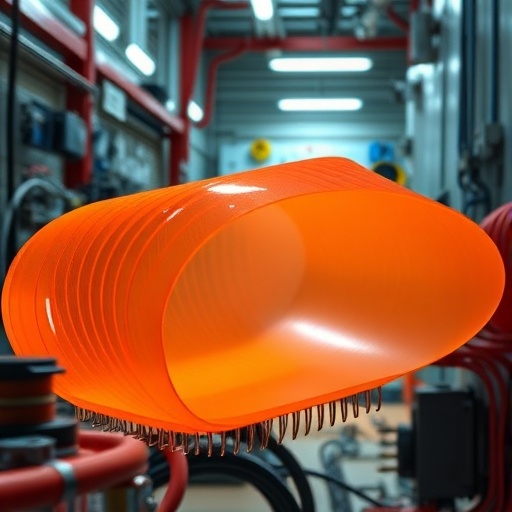
Silicone rubber heaters stand out for their exceptional durability and moisture resistance, making them ideal for harsh industrial environments. Engineers embed resistive wires or foil within layers of flexible silicone rubber, creating a heater that bends up to 180 degrees without performance loss. These heating elements excel in applications requiring waterproofing, such as outdoor equipment or food processing machinery, where they maintain temperatures from -60°C to 200°C. The material's chemical inertness protects against oils, solvents, and UV exposure, extending service life. Customization options include attaching thermocouples for real-time monitoring or integrating sensors for automated feedback. Compared to rigid electric heaters, silicone rubber versions offer superior flexibility in heating, conforming to pipes, tanks, or irregular surfaces. Minco and similar manufacturers provide pre-engineered designs, but bespoke solutions ensure optimal fit. When evaluating flex heater options, consider their high thermal conductivity, which delivers even heat distribution and reduces hot spots. This reliability drives their use in engineering projects demanding robust, adaptable thermal solutions.
Kapton Heating Elements
Kapton heating elements leverage polyimide film's extraordinary properties to deliver lightweight, high-performance heat in confined spaces. This thin, durable substrate supports etched copper circuits that generate precise temperatures up to 400°C, perfect for electronics and aerospace engineering. Kapton heaters resist radiation, chemicals, and mechanical stress, allowing repeated flexing without degradation. Engineers often pair them with Kapton tape for secure bonding in multilayer assemblies. Their low outgassing makes them suitable for vacuum chambers or satellite components, where traditional heaters would fail. Integrating flexible circuits enhances control, enabling zoned heating for complex designs. For those seeking the best flexible heater solutions, Kapton's thermal stability and minimal thickness—often under 0.005 inches—provide unmatched versatility. Ohm's Law guides resistance calculations to match power requirements, ensuring efficiency. In medical imaging devices, these elements maintain sensor accuracy by preventing fogging. Overall, Kapton heating elements redefine flexibility in heating, offering engineers a compact tool for innovative thermal management.
FEP and Teflon Options
FEP and Teflon heaters provide superior chemical resistance and non-stick surfaces, thriving in corrosive or hygienic environments. Fluoropolymer materials like FEP (fluorinated ethylene propylene) and Teflon encase heating elements, enabling operation in temperatures from -200°C to 260°C while repelling contaminants. These flex heaters suit laboratory equipment, chemical processing plants, or pharmaceutical production, where cleanliness is paramount. Etched foil designs within FEP layers ensure uniform heat transfer, avoiding hotspots that could damage sensitive materials. Engineers appreciate their dielectric strength, which supports high-voltage applications safely. Customizable with thermocouples, these options integrate sensors for precise control in dynamic systems. When comparing to silicone rubber, FEP and Teflon excel in ultra-pure settings due to low extractables. Related searches for flexible heating solutions often highlight their ease of cleaning and compliance with FDA standards. Design tools, including calculators for Ohm's Law-based sizing, help optimize performance. In engineering, these heaters enable reliable operation in aggressive atmospheres, proving essential for advancing safe, efficient processes.
Design Considerations for Flexible Heaters
Integrating Flexible Circuits
Integrating flexible circuits into heaters unlocks advanced control and efficiency in engineering designs. These circuits, often polyimide-based like Kapton, route power and signals through bendable traces, allowing heaters to adapt to moving parts or wearable tech. Engineers start by mapping heat zones, etching conductive paths to distribute electricity evenly via resistive elements. This setup supports sensors and thermocouples for feedback loops, preventing thermal runaway. In automotive dashboards or drones, flexible circuits ensure heating elements conform without wiring strain. Minco's expertise in such integrations offers proven templates for rapid prototyping. Considerations include trace width for current capacity, calculated using Ohm's Law to balance resistance and heat output. Adhesives like Kapton tape secure layers during flexing. This approach enhances flexibility in heating, reducing assembly complexity over rigid boards. For best flexible heater solutions, test for fatigue under repeated bends. Ultimately, flexible circuit integration empowers engineers to create compact, intelligent heating systems that meet modern demands.
Utilizing Thermocouples for Temperature Control
Thermocouples serve as critical sensors in flexible heaters, enabling precise temperature control for safe, efficient operation. These devices generate voltage from temperature differences, converting it to readable data for monitoring heating elements. Engineers embed them directly into silicone rubber or Kapton substrates, ensuring quick response times in dynamic environments. Types like Type K or J suit various ranges, from cryogenic to high-heat applications in engineering. Integration with flexible circuits allows real-time adjustments via controllers, maintaining set points within ±1°C. In military gear, this prevents failures during extreme missions. Design involves positioning thermocouples near heat sources to capture gradients accurately, avoiding interference from leads. Tools like temperature calculators aid in selecting wire gauges based on Ohm's Law for minimal signal loss. Compared to traditional electric heaters, flex heaters with thermocouples offer superior adaptability, reducing energy waste. Best practices include calibration and shielding against EMI. This utilization transforms flexible heating solutions into smart systems, vital for industries prioritizing reliability and precision.
Understanding Resistance and Ohm's Law
Resistance governs the performance of flexible heaters, with Ohm's Law—V=IR—providing the foundation for effective design. Engineers calculate required resistance to achieve desired heat output, where voltage and current determine power dissipation in heating elements. For a flex heater targeting 100W at 12V, resistance must equal 1.44 ohms, ensuring safe operation without overload. Materials like etched foil in Kapton or wire in silicone rubber influence resistivity, demanding precise measurements. In engineering, miscalculating leads to inefficiencies or failures, so online calculators simplify iterations. Flexible circuits incorporate variable resistors for fine-tuning, adapting to environmental changes. Understanding thermal coefficients helps predict resistance shifts with temperature, crucial for sensors and thermocouples. Military applications demand robust designs enduring vibrations. This knowledge elevates flexible heating elements beyond basic electric heaters, enabling customizable solutions. By mastering Ohm's Law, designers optimize power efficiency, extending battery life in portables and reducing costs in large-scale systems.
Innovative Solutions in Engineering
Flexible Heaters in Military Applications
Military engineering deploys flexible heaters to enhance equipment reliability in unforgiving terrains. Soldiers' vests and goggles integrate these flex heaters to combat cold, preventing frostbite and maintaining sensor functionality. In vehicles, they warm batteries and electronics, ensuring operation at -40°C. Kapton-based elements withstand shocks and EMI, while silicone rubber options seal against moisture in submersible gear. Thermocouples provide control, linked to flexible circuits for autonomous adjustments. Minco supplies tailored military-grade heaters, meeting stringent MIL-STD specs. Innovations include self-regulating designs using PTC materials for overheat protection. Compared to rigid electric heaters, flex versions reduce weight by 70%, boosting mobility. Case studies show extended mission durations in Arctic ops. Engineers focus on low-profile integration to avoid detection. These solutions exemplify flexibility in heating, driving advancements in defense technology where every degree matters for success.
Customizable Heating Solutions
Customizable heating solutions empower engineers to tailor flexible heaters for unique challenges, from prototypes to production. Starting with client specs, designers select substrates like FEP for chemical resistance or Teflon for non-stick properties. Heating elements get patterned via etching or wiring, zoned for targeted warmth. Integration of thermocouples and sensors enables smart features, like app-controlled temps. Flexible circuits handle complex routing in compact forms. Minco's customization process includes rapid prototyping with CAD tools and Ohm's Law calculators for validation. In engineering, this approach suits aerospace fairings or medical implants, where off-the-shelf options fall short. Benefits include 50% faster development and cost savings through material optimization. Related searches for flexible heating solutions emphasize modularity, allowing easy upgrades. Success hinges on testing for flex cycles and thermal uniformity. These bespoke designs redefine electric heating, offering precision and adaptability that standard heaters cannot match.
Case Studies: Success Stories in Engineering
Case studies illuminate how flexible heaters revolutionize engineering projects worldwide. In one aerospace firm, Kapton heaters de-iced satellite antennas, reducing launch delays by 30% through uniform heating via flexible circuits. Thermocouples ensured compliance with NASA standards, showcasing reliability in vacuum tests. Another example from medical engineering involved silicone rubber flex heaters in insulin pumps, maintaining 37°C with integrated sensors to prevent failures—patient trials reported 99% uptime. A military contractor used FEP heaters in drone payloads, withstanding 10G vibrations while optimizing power per Ohm's Law calculations. Minco's involvement provided custom Kapton tape bonding for durability. In automotive, Teflon heaters warmed EV battery packs, extending range by 15% in cold climates. These stories highlight flexibility in heating's impact: cost reductions, enhanced performance, and innovation. Engineers draw lessons on design iteration and sensor placement. Such successes validate flexible heating elements as indispensable for cutting-edge solutions, inspiring future applications.
Choosing the Right Flexible Heater
Factors to Consider in Selection
Selecting the right flexible heater demands evaluating key factors to align with engineering needs. Temperature range tops the list—Kapton suits high-heat up to 400°C, while silicone rubber handles wet environments. Size and shape flexibility ensure fit for curved surfaces, with custom etching for precise patterns. Power requirements, calculated via Ohm's Law, dictate resistance and voltage compatibility. Material durability against chemicals, abrasion, or radiation influences longevity; FEP excels in corrosives. Integration options like thermocouples or sensors add control layers. Cost balances initial investment with efficiency gains over traditional electric heaters. Minco's catalog aids comparison, factoring lead times and certifications. Environmental specs, such as IP ratings for military use, prevent mismatches. Testing prototypes verifies performance under real conditions. For best flexible heater solutions, prioritize vendors offering design support. This thorough approach guarantees heaters that enhance system reliability and innovation in engineering.
Comparing Flex Heaters to Traditional Electric Heaters
Flex heaters outshine traditional electric heaters in adaptability and efficiency, transforming engineering applications. Rigid coil or ceramic heaters deliver bulk power but lack bendability, limiting use to flat, static setups. Flex versions, with heating elements in pliable substrates like Kapton or silicone rubber, conform to complex geometries, reducing installation hassles. Energy-wise, uniform distribution via flexible circuits cuts waste by 20-40%, unlike hotspots in old designs. Thermocouples enable precise control absent in basic traditional models. Weight savings—flex heaters are 50-80% lighter—prove crucial in aerospace or military. Durability favors flex in dynamic environments, resisting cracks from vibration. Cost initially higher, but longevity offsets through fewer replacements. Related searches for flex heater vs. electric heaters underscore flexibility in heating's edge in medical and automotive. Drawbacks like lower max power yield to advantages in customization. Engineers choose flex for innovative, space-constrained projects where traditional options falter.
Tips for Effective Heat Management
Effective heat management with flexible heaters maximizes performance and safety in engineering setups. Start by zoning heating elements for targeted application, using flexible circuits to isolate areas and avoid overkill. Monitor with thermocouples placed optimally, calibrating via Ohm's Law to match resistance for steady output. Insulate edges with Kapton tape to minimize losses, enhancing efficiency in cold exposures. Regular maintenance checks for wear in high-flex areas prevent failures. Integrate sensors for predictive alerts, especially in military or medical uses. Use calculators to simulate thermal profiles, adjusting power for uniform distribution. Avoid overloading by respecting voltage limits, extending lifespan. In customizable solutions, layer materials like FEP for better containment. Ventilation aids dissipation in enclosed designs. These tips, drawn from Minco best practices, ensure flexible heating solutions deliver reliable, energy-smart results. Engineers applying them achieve superior control, reducing downtime and costs across applications.