Understanding the Lifecycle of Hydraulic Machined Parts
The Importance of Hydraulic Machined Parts in Modern Machinery
Role of Hydraulic Systems in Industrial Applications
Hydraulic systems play a critical role in modern industrial applications, providing power and efficiency across various sectors. These systems utilize pressurized fluids to transmit energy, enabling machinery to perform complex tasks with remarkable precision. Hydraulic systems find extensive use in construction, manufacturing, and automotive industries, where heavy machinery and equipment require consistent power to operate effectively. The versatility of hydraulics allows for smooth operation of equipment like excavators, forklifts, and presses, facilitating tasks that would be impossible or inefficient using mechanical systems alone. Hydraulic machined parts are essential in ensuring that these systems function reliably, contributing to the overall efficiency and productivity of industrial operations.
Key Components of Hydraulic Machined Parts
Hydraulic machined parts consist of various components that work together to create a functional hydraulic system. Key elements include hydraulic cylinders, pumps, valves, and fittings. Hydraulic cylinders convert hydraulic energy into mechanical force, while pumps generate the necessary pressure to circulate the hydraulic fluid. Valves control the flow and direction of the fluid, allowing precise movements and operations. Fittings connect these components, ensuring tight seals and preventing leaks. Each part must undergo rigorous machining processes to meet strict tolerances, ensuring that every piece functions optimally within the system. Quality hydraulic machined parts enhance the reliability and longevity of hydraulic systems, making them indispensable in any industrial application.
Benefits of Using Machined Hydraulic Parts in Manufacturing
The use of machined hydraulic parts offers numerous benefits in manufacturing settings. First and foremost, precision machining guarantees that each component meets stringent specifications, resulting in enhanced performance and reduced downtime. Machined parts exhibit superior durability, which translates into fewer replacements and lower maintenance costs over time. Additionally, manufacturers can customize hydraulic machined parts to meet specific operational requirements, allowing for greater flexibility and efficiency in production processes. The reliability of these parts also leads to increased safety in the workplace, as malfunctioning components can pose serious risks to operators. Ultimately, investing in high-quality hydraulic machined parts contributes to improved operational efficiency, reduced costs, and enhanced overall productivity.
The Manufacturing Process of Hydraulic Machined Parts
Overview of CNC Machining Techniques
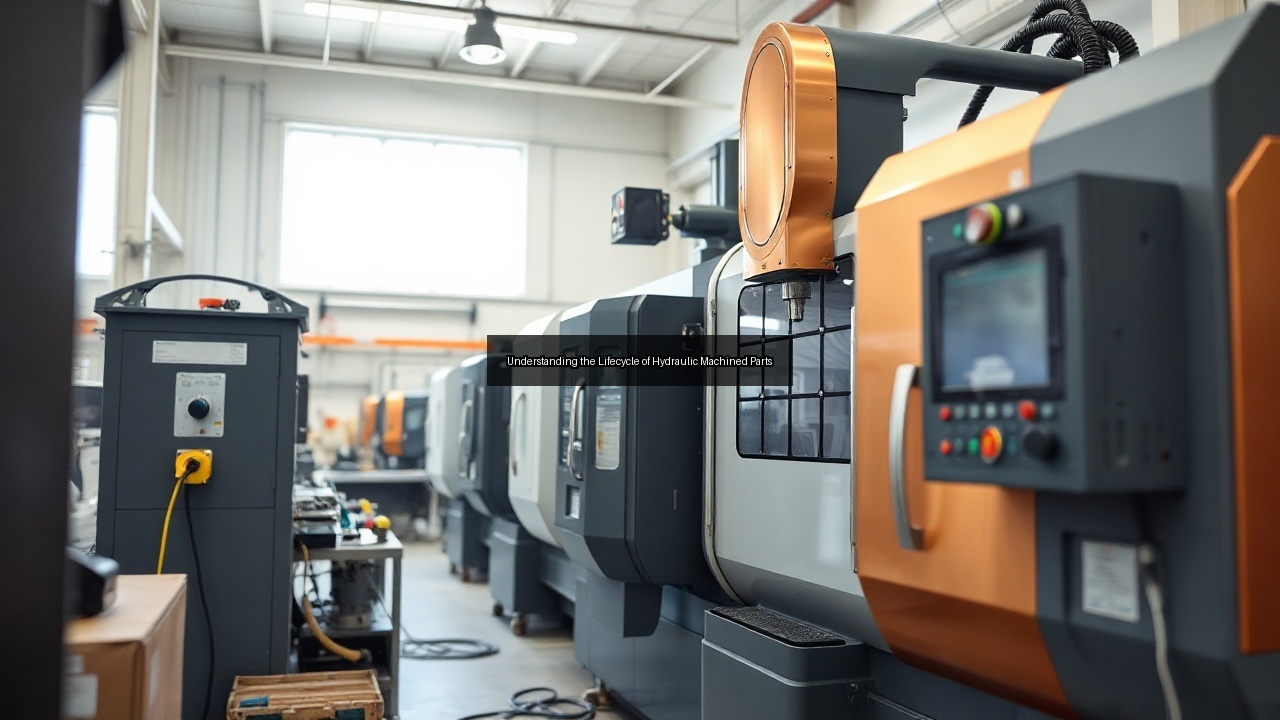
CNC (Computer Numerical Control) machining revolutionizes the manufacturing process of hydraulic machined parts. This advanced technology employs computer-controlled machines to automate the production of precision components, ensuring consistent quality and accuracy. CNC machining encompasses various techniques, including milling and turning, which enable manufacturers to create complex geometries and intricate designs. The automation of these processes significantly reduces human error and enhances production speed, allowing manufacturers to meet high demand efficiently. Furthermore, CNC machining allows for rapid prototyping, enabling manufacturers to test and refine designs before full-scale production. This adaptability and precision make CNC machining a preferred choice for producing hydraulic machined parts in today’s competitive market.
Precision Machining: Milling and CNC Lathe Operations
Precision machining involves a variety of techniques, with milling and CNC lathe operations being among the most prominent. Milling utilizes rotary cutters to remove material from a workpiece, creating complex shapes and features that are essential for hydraulic machined parts. This method allows for high accuracy and the ability to produce parts with intricate details. CNC lathe operations, on the other hand, focus on cylindrical components, rotating the workpiece against a cutting tool to achieve precise dimensions. Both milling and lathe operations rely on advanced CNC technology to ensure consistency across batches. The combination of these techniques provides manufacturers with the versatility needed to produce a wide range of hydraulic machined parts tailored to specific applications.
Quality Assurance in Hydraulic Machined Parts Production
Quality assurance is a cornerstone of hydraulic machined parts production. Manufacturers implement rigorous quality control measures to ensure that each component meets the necessary standards and specifications. This includes regular inspections throughout the machining process, from initial design to final assembly. Techniques such as statistical process control (SPC) help monitor production variables, enabling manufacturers to identify and address potential issues before they escalate. Testing procedures, including pressure testing and dimensional inspections, verify the performance and reliability of hydraulic machined parts. By prioritizing quality assurance, manufacturers not only enhance the durability and performance of their products but also build trust and credibility with their customers, ultimately contributing to long-term success in the market.
Choosing the Right Hydraulic Machined Parts Manufacturer
Evaluating Manufacturers: FZE Manufacturing Solutions vs. Hogge Precision
Selecting the right hydraulic machined parts manufacturer is crucial for ensuring high-quality components. Two notable companies in this field are FZE Manufacturing Solutions and Hogge Precision. FZE Manufacturing Solutions has built a reputation for its advanced machining capabilities and commitment to precision. They specialize in creating custom hydraulic parts that cater to various industrial applications, ensuring that clients receive tailored solutions. On the other hand, Hogge Precision is known for its focus on efficiency and quick turnaround times. Their state-of-the-art CNC machining facilities allow them to produce high volumes of parts without compromising quality. Evaluating each manufacturer’s strengths and areas of expertise helps businesses make informed decisions, ensuring they partner with the right hydraulic machined parts manufacturer for their specific needs.
Factors Influencing the Efficiency of Hydraulic Parts Production
Several factors influence the efficiency of hydraulic parts production. First, the choice of machining technology plays a significant role. Advanced CNC machines, capable of multitasking and producing complex geometries, enhance productivity and reduce lead times. Additionally, the skill level of the workforce directly impacts efficiency; trained technicians can operate machines effectively and troubleshoot issues as they arise. Material selection also affects production efficiency; high-quality materials lead to better machining results and longer-lasting parts. Furthermore, implementing lean manufacturing principles streamlines operations, minimizes waste, and maximizes output. By understanding these factors, manufacturers can optimize their production processes, resulting in higher quality hydraulic machined parts.
Understanding the Reputation of McCormick Industries
McCormick Industries stands as a prominent player in the hydraulic machined parts sector, known for its commitment to quality and innovation. Their reputation is built on years of experience and a robust portfolio of successfully completed projects. Clients appreciate McCormick Industries for its customer-centric approach, ensuring that each partnership is tailored to meet specific needs. The company embraces cutting-edge technology and adheres to strict quality assurance protocols, reinforcing its position as a trusted hydraulic machined parts manufacturer. By consistently delivering reliable products, McCormick Industries has cultivated strong relationships with clients across various industries, making it a go-to choice for businesses seeking high-quality hydraulic solutions.