The Ultimate Guide to Choosing the Perfect Industrial Metal Hopper
Understanding Industrial Metal Hoppers
Definition and Purpose of Industrial Metal Hoppers
Industrial metal hoppers stand as essential tools in modern material handling, designed to store, transport, and dispense bulk materials efficiently. These robust containers, often made from durable metals like steel, funnel materials downward through gravity, preventing clogs and ensuring smooth flow. Manufacturers craft them to withstand heavy loads, making them ideal for industries dealing with scrap, debris, or waste. An industrial metal hopper simplifies operations by holding volumes from a few cubic yards up to larger capacities, reducing manual labor and speeding up processes. In manufacturing, they collect excess materials during welding or packaging, while in waste management, they gather trash and recyclables for easy dumping into trucks. Key specifications include reinforced edges to prevent bending under weight, and options for customization based on specific needs like corrosion resistance for wet environments. Businesses rely on these hoppers to maintain workflow, as they integrate seamlessly with forklifts for relocation or loaders for filling. Ultimately, selecting the right industrial metal hopper boosts safety and cuts downtime, transforming chaotic material piles into organized, manageable systems that drive productivity across warehouses and factories.
Common Applications in Manufacturing and Waste Management
Manufacturing plants deploy industrial metal hoppers to streamline production lines, where they capture scrap metal from cutting or welding stations, preventing hazards on the shop floor. Workers load debris into these hoppers using carts or directly via overhead systems, then transport them with casters for easy movement. In assembly areas, hoppers hold packaging materials like cardboard or plastic scraps, facilitating quick cleanup and recycling. Waste management sectors use them extensively for sorting trash, recyclables, and organic waste, often in 2 yd models for smaller sites or larger cubic yard versions for municipal operations. These hoppers integrate with truck dumping mechanisms, allowing efficient transfer to collection vehicles. In recycling facilities, industrial metal hoppers separate metals from other debris, aiding in MRO (maintenance, repair, and operations) tasks by keeping areas tidy. They handle loads up to thousands of lbs, ensuring compliance with safety regulations while minimizing environmental impact. For instance, a steel industrial metal hopper might collect automotive scrap in a yard, ready for melting down, whereas aluminum variants suit lighter waste in food processing. Across these applications, hoppers enhance efficiency, reduce contamination risks, and support sustainable practices by promoting material reuse.
Types of Industrial Metal Hoppers
Variations in Design: Open vs. Closed Hoppers
Open industrial metal hoppers feature tops without lids, allowing quick access for loading bulky items like scrap or debris directly from forklifts or loaders. This design suits fast-paced environments such as manufacturing floors, where workers dump waste into the hopper without barriers, speeding up cycles. However, they expose contents to dust or weather, demanding placement in covered warehouses. Closed hoppers, with secure lids, protect materials from contamination, ideal for sensitive applications like pharmaceutical packaging or food-grade recycling. These metal hoppers often include locking mechanisms to meet safety regulations, preventing unauthorized access and spills during transport. In waste management, closed versions contain odors from trash, while open ones handle large-volume debris in open yards. Variations extend to funnel shapes—conical for powders, rectangular for chunks—ensuring optimal flow. Businesses choose based on workflow: open for high-throughput dumping, closed for secure storage. Both types integrate hydraulics for tilting, but closed hoppers add gaskets for airtight seals. Exploring these hopper types helps operations avoid bottlenecks, as the right design matches material handling needs, from small carts to full truck loads, ultimately cutting costs and boosting reliability in industrial settings.
Metal Hopper Options: Steel vs. Aluminum
Steel industrial metal hoppers dominate heavy-duty applications due to their unmatched strength and longevity, handling loads exceeding 5,000 lbs without deformation. Welded seams and thick gauges make them perfect for scrap metal collection in manufacturing, where they endure impacts from falling debris or forklift collisions. Steel options resist rust when galvanized, suiting humid warehouses or outdoor yards. However, they weigh more, requiring robust casters for mobility. Aluminum hoppers offer lighter alternatives, weighing up to 50% less than steel equivalents, which eases transport via carts or manual pushing in space-constrained areas. Their natural corrosion resistance shines in chemical or saltwater environments, like waste management near coasts. Aluminum suits lighter volumes, such as 2 yd trash bins, and integrates well with recycling processes for non-ferrous metals. Cost-wise, steel provides better value for high-wear scenarios, while aluminum reduces shipping expenses for manufacturers. Both metals allow custom specifications, like reinforced bottoms for dumping. When evaluating hopper metal options, consider your material—abrasive scrap favors steel, while clean packaging waste leans toward aluminum. This choice directly impacts efficiency, as the wrong material leads to premature wear, higher maintenance, and lost productivity in demanding industrial metal solutions.
Specific Applications: 2 yd and Larger Hoppers
Two-yard industrial metal hoppers excel in mid-sized operations, holding about 2 cubic yards of material—roughly 1,500 to 3,000 lbs depending on density—making them versatile for manufacturing debris or construction site waste. These compact units fit standard forklifts for easy relocation, often featuring four casters for warehouse navigation. In recycling centers, a 2 yd hopper collects sorted metals and plastics, streamlining transfer to processing trucks. Larger hoppers, from 3 to 10 cubic yards, tackle high-volume tasks like yard waste management or industrial scrap accumulation, supporting loads up to 10,000 lbs. Manufacturers use them in assembly lines for bulk packaging disposal, while waste facilities employ them for municipal trash sorting. Specific designs include sloped sides for self-cleaning and hydraulics for automated dumping, reducing worker strain. For example, a steel 2 yd hopper might gather welding scraps in a fab shop, whereas a larger aluminum version handles debris from landscaping crews. These hoppers address industrial bins needs by offering scalability—start small and upgrade as volume grows. Integrating them with loaders boosts loading speed, ensuring compliance with safety regulations. Ultimately, choosing the right size enhances material handling flow, minimizes overflow risks, and supports profitability through optimized space use in diverse settings.
Key Features to Consider
Weight Capacity and Volume: How Many lbs Can it Handle?
Industrial metal hoppers vary widely in weight capacity, from 1,000 lbs for small carts to over 20,000 lbs for massive units, directly influencing their suitability for your operations. Volume, measured in cubic yards, determines how much scrap, trash, or debris they can hold— a 2 yd hopper manages everyday manufacturing waste, while larger 5 yd models suit high-output recycling. Always check specifications for safe working loads (SWL) to avoid collapses under overload. Steel constructions typically support heavier lbs due to density, ideal for dense metals in welding shops, whereas aluminum handles lighter packaging or MRO supplies. Exceeding capacity risks structural failure, so match the hopper to your material's weight: bulky debris needs wider bases, powders require finer mesh screens. In warehouses, casters rated for the full load ensure smooth movement with forklifts. Manufacturers provide load charts detailing volume-to-weight ratios, helping you calculate for peak demands. For waste management, a hopper holding 4,000 lbs of mixed recyclables prevents frequent dumping, saving time. Prioritizing these features prevents downtime, enhances safety, and aligns with efficiency goals, as the right capacity turns potential chaos into streamlined material handling across industrial metal containers.
Safety Regulations and Standards for Use
Safety regulations govern every aspect of industrial metal hoppers, ensuring they protect workers in manufacturing and waste management. OSHA standards mandate features like rounded edges to prevent cuts, non-slip surfaces on dumping platforms, and load limits clearly marked to avoid overloads. In Europe, CE marking certifies compliance with machinery directives, covering hydraulics and stability during forklift transport. For recycling yards, hoppers must include guards around moving parts like tilting mechanisms to prevent pinch points. Manufacturers incorporate these into designs, such as reinforced welding for debris resistance and spill-proof lips for trash containment. Regular inspections check for wear on casters or hydraulics, with records required for audits. In high-traffic warehouses, reflective striping enhances visibility, reducing collision risks with trucks or loaders. Addressing related searches like industrial hoppers safety, note that improper use leads to fines or shutdowns—always train staff on dumping protocols. Custom options, like lockout tags for maintenance, further compliance. By adhering to these standards, businesses mitigate liabilities, foster a secure environment, and maintain productivity. Investing in compliant industrial metal hoppers not only meets legal demands but also builds trust, ensuring long-term operational reliability and worker well-being.
Hydraulics and Dumping Mechanisms for Efficiency
Hydraulic systems in industrial metal hoppers revolutionize dumping by enabling controlled, powered tilting that empties contents into trucks or conveyors with minimal effort. These mechanisms use cylinders to rotate the hopper up to 90 degrees, handling loads from 2 yd scraps to larger volumes without manual intervention. In manufacturing, quick-dump hydraulics clear welding debris fast, integrating with loaders for automated cycles that boost throughput. Electric or manual variants offer flexibility—pneumatic suits dusty recycling environments, while manual levers work for smaller carts in tight footprints. Efficiency gains come from reduced spillage and faster cycles, cutting labor costs by 30% in waste management. Specifications include pressure ratings up to 3,000 PSI for heavy lbs, with safety valves preventing sudden drops. Aluminum hoppers pair well with lightweight hydraulics for easy mobility on casters, whereas steel demands robust setups for scrap dumping. Maintenance involves fluid checks and seal replacements to avoid leaks, ensuring reliability. When exploring hopper industrial options, prioritize smooth operation to minimize jams in material handling. These features transform basic storage into dynamic tools, enhancing productivity and supporting profitability through seamless integration in warehouse and yard operations.
Choosing the Right Industrial Metal Hopper for Your Needs
Assessing Your Material Handling Requirements
Start by mapping your daily material flow to pinpoint the ideal industrial metal hopper, considering types of waste like scrap from manufacturing or recyclables in processing. Evaluate volume needs—does a 2 yd unit suffice for debris carts, or do larger cubic yard hoppers handle truck-scale loads? Factor in material density: heavy metals demand steel for lbs capacity, while lightweight packaging favors aluminum. Assess handling methods—forklift compatibility requires reinforced pockets, loaders need wide mouths. In warehouses, footprint matters for navigation around obstacles, and casters enhance mobility for frequent repositioning. Safety regulations influence choices, like enclosed designs for hazardous MRO waste. Conduct site audits to measure peak usage, ensuring the hopper supports dumping without bottlenecks. Related searches on hopper types reveal open models for quick access in yards, closed for secure storage. Budget for hydraulics if automation drives efficiency. This thorough assessment aligns the hopper with operations, preventing mismatches that cause downtime or excess costs. By tailoring to specifics, you secure a solution that elevates material handling, from small-scale trash collection to full-scale industrial metal solutions, fostering smoother workflows and higher output.
Evaluating Manufacturers and Warranty Options
Top manufacturers of industrial metal hoppers, like those specializing in custom welding and fabrication, offer durable builds backed by comprehensive warranties. Look for companies with proven track records in steel and aluminum production, ensuring specifications meet your lbs and volume needs. Reputable ones provide 5- to 10-year structural warranties, covering defects in hydraulics or casters, vital for high-use environments like recycling yards. Evaluate customer reviews on efficiency in waste management and manufacturing applications. Some excel in quick-turnaround customizations, adding features like reinforced dumping for scrap handling. Compare pricing against value—cheaper imports may skimp on safety regulations, leading to early failures. Certifications like ISO 9001 signal quality control. For MRO needs, choose suppliers with local service for maintenance. Warranty fine print matters: does it include parts for loaders integration or footprint adjustments? Exploring industrial metal containers from established brands ensures longevity, reducing total ownership costs. This evaluation process safeguards investments, as a solid warranty translates to uninterrupted productivity and profitability in demanding warehouse settings.
Considering Footprint and Space in Your Warehouse
Warehouse space dictates industrial metal hopper selection, where compact footprints prevent clutter in tight aisles. A 2 yd hopper, often 4 feet wide, navigates narrow paths easily with four casters, ideal for high-density storage of packaging or trash. Larger models, up to 8 feet square, suit open yards for bulk debris but demand planning to avoid blocking forklifts or loaders. Measure doorways and stacking heights—modular designs allow vertical piling to maximize cubic yard usage. In manufacturing, slimmer profiles fit beside welding stations, while waste management favors corner placements for quick dumping into trucks. Consider mobility: heavy steel units need reinforced floors, aluminum lightens the load for frequent shifts. Efficiency hinges on seamless integration—oversized footprints slow material handling, causing backups. Related searches on industrial storage hopper highlight adjustable legs for uneven surfaces. Optimize by simulating layouts, ensuring the hopper enhances flow without wasting square footage. This strategic approach not only complies with safety regulations but also amplifies productivity, turning limited space into a powerhouse for operations and profitability.
Maximizing Efficiency and Profitability
The Role of Casters and Loaders in Productivity
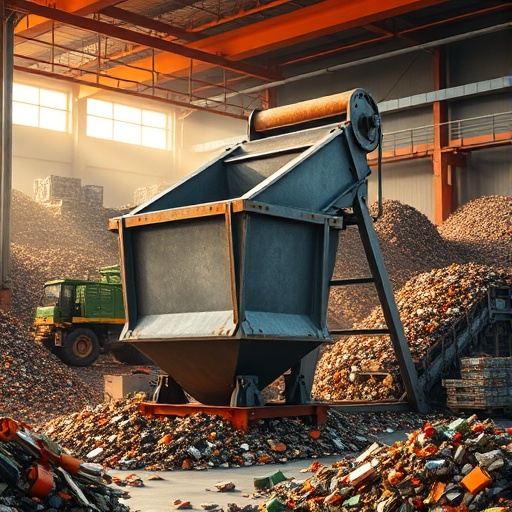
Casters transform industrial metal hoppers into mobile powerhouses, enabling swift repositioning across warehouses to match dynamic workflows. Heavy-duty swivel models, rated for thousands of lbs, handle steel hoppers loaded with scrap, reducing forklift dependency and speeding transfers. In manufacturing, lockable casters secure units during filling from loaders, preventing tip-overs amid debris. For waste management, polyurethane wheels absorb shocks on uneven yard surfaces, ensuring smooth dumping into trucks. Pairing with front-end loaders accelerates bulk intake, cutting cycle times by half for recyclables or packaging waste. Maintenance—greasing bearings and checking alignment—keeps them rolling efficiently, avoiding jams that halt productivity. Specifications vary: V-groove casters suit rail-guided paths in large facilities. This combo boosts material handling speed, minimizes labor, and integrates seamlessly with hydraulics for automated processes. Businesses see direct profitability gains as faster throughput lowers operational costs. Addressing hopper options, investing in quality casters and loaders elevates basic storage to strategic assets, driving efficiency in every corner of industrial metal equipment use.
Best Practices for Recycling and Waste Management
Implement segregated industrial metal hoppers to optimize recycling, dedicating units for metals, plastics, and paper to streamline sorting in manufacturing or yards. Regular emptying via hydraulic dumping prevents overflows, maintaining hygiene and compliance with waste management regulations. Train teams on proper loading—use carts for small debris, forklifts for heavy scrap—to maximize volume without exceeding lbs limits. Partner with recyclers for scheduled pickups, integrating hoppers with truck bays for seamless transfer. In MRO, label hoppers for specific trash types, reducing contamination and boosting material recovery rates. Best practices include routine cleaning to avoid buildup, especially in steel models prone to rust. Track usage data to right-size capacities, like 2 yd for daily waste or larger for seasonal peaks. Sustainable tips: opt for aluminum to cut transport emissions. These strategies enhance efficiency, cut disposal fees, and support green initiatives, turning waste into revenue streams. For industrial bins in recycling, this approach not only meets environmental standards but also amplifies profitability through resource recovery and operational smoothness.
Impact on Overall Operations and Profitability
Industrial metal hoppers reshape operations by centralizing material handling, slashing time spent on manual cleanup in manufacturing and waste sectors. Efficient dumping and mobility via casters accelerate workflows, allowing teams to focus on core tasks rather than debris management. In warehouses, optimized footprints free space for value-adding activities, directly lifting productivity metrics. Hydraulics reduce injury risks, lowering insurance costs and downtime from accidents. For recycling, precise volume control minimizes landfill fees, converting scrap into sellable assets that pad profits. Manufacturers report 20-30% efficiency gains post-adoption, as hoppers integrate with loaders and trucks for end-to-end flow. Warranty-backed durability ensures long-term savings, avoiding frequent replacements. Addressing related searches like metal hoppers impact, note how they scale with growth—from 2 yd starters to cubic yard giants—supporting expansion without proportional cost hikes. Overall, these tools drive profitability by streamlining every stage, from welding scraps to final packaging disposal, fostering lean operations that deliver measurable returns in competitive industrial landscapes.