The Rise of Private-Label Sports Supplement Manufacturers in a Competitive Market
Understanding the Private-Label Sports Supplement Market
Definition and Importance of Private-Label Supplements
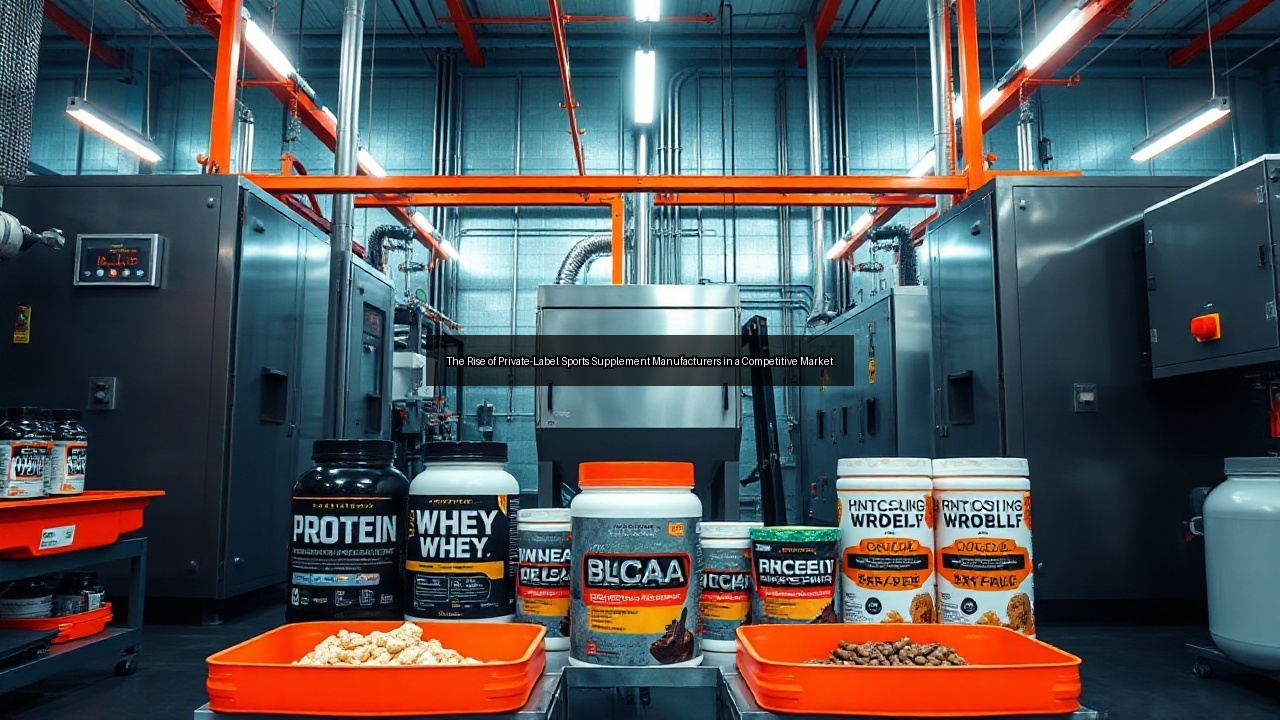
Private-label supplements allow brands to sell products manufactured by a dedicated sports supplement manufacturer under their own names. This model gives companies control over formulas without building factories. Athletes and fitness enthusiasts gain access to high-quality sports nutrition supplements tailored to specific goals like muscle gain or endurance. The approach reduces entry barriers for new brands while delivering consistent results backed by tested ingredients. Retailers stock these items to meet rising demand for personalized nutrition options that compete directly with national labels.
At its core, private labeling in sports nutrition involves contract manufacturers producing items such as protein powders, pre-workouts, and recovery aids that retailers or emerging brands then market exclusively under their branding. This arrangement enables smaller companies to bypass the substantial capital required for in-house production facilities, regulatory approvals, and quality control infrastructure. For consumers, the benefit lies in greater variety and often lower prices compared to big-name competitors, as private-label options frequently emphasize niche formulations like vegan proteins or timed-release amino acids. Market data indicates that private-label sports supplements now account for nearly 35% of category growth in North America, driven by increased consumer trust in transparent sourcing and third-party certifications.
Market Trends in Sports Nutrition Manufacturing
Manufacturers now emphasize faster production cycles and flexible batch sizes to match shifting consumer preferences in sports nutrition. Demand grows for clean-label sports supplement products that avoid artificial additives. Brands request more plant-based and allergen-free options to reach broader audiences. Data shows increased interest in targeted formulas that support specific workout routines. Sports supplement manufacturers respond by investing in scalable equipment that maintains potency across protein powders and other core items.
Recent industry reports highlight a 22% year-over-year rise in demand for personalized nutrition, prompting manufacturers to adopt modular production lines capable of handling runs as small as 500 units. Clean-label trends have accelerated the shift toward organic pea protein isolates and monk-fruit-sweetened blends, while allergen-free certifications for gluten, soy, and dairy have become standard differentiators. Additionally, the integration of functional ingredients like electrolytes and collagen peptides reflects growing interest in holistic recovery formulas suited to both strength athletes and endurance competitors.
Key Players in the Private-Label Space
Leading sports supplement manufacturers operate advanced facilities that handle everything from raw material sourcing to final packaging. These companies partner with emerging brands to produce bodybuilding supplements and sports nutrition products at competitive volumes. Established players differentiate through certifications and transparent supply chains. Smaller manufacturers focus on niche categories like recovery blends. Collaboration between these entities drives innovation across the entire supplement for athletes category.
Major contract manufacturers such as those with NSF-certified and Informed-Sport approved plants dominate the landscape by offering end-to-end traceability via blockchain-enabled supply chains. These firms often maintain strategic alliances with ingredient suppliers in Europe and Asia to secure consistent supplies of whey hydrolysates and creatine monohydrate. Meanwhile, boutique producers specializing in small-batch nootropic-enhanced pre-workouts or adaptogen-infused recovery drinks help emerging direct-to-consumer brands carve out premium market segments. Joint ventures between these players have led to co-developed products featuring clinically dosed ingredients at scale.
The Competitive Edge of Private-Label Manufacturers
Advantages of Turnkey Solutions for Brands
Turnkey solutions from a sports supplement manufacturer streamline the entire process from concept to shelf. Brands receive ready-to-sell products that include formulation, testing, and compliance documentation. This setup cuts development time and lets companies launch faster in the competitive sports nutrition space. Manufacturers manage inventory and quality checks so brands concentrate on marketing. The result is reliable output that meets athlete expectations for effective supplements for athletes.
Beyond basic production, turnkey providers often supply regulatory dossiers, stability studies, and even initial marketing collateral such as usage guides and label claims supported by scientific references. This comprehensive support reduces time-to-market from 12–18 months to as little as 4–6 months. Brands also benefit from volume-based forecasting tools that minimize stockouts during peak seasons like New Year’s resolutions or pre-summer fitness campaigns, allowing marketing teams to focus exclusively on customer acquisition and influencer partnerships.
Customization and Design in Product Development
Manufacturers offer extensive customization that lets brands design unique blends and packaging. Teams adjust flavor profiles, dosages, and delivery formats for protein powders or pre-workout items. Design support includes label artwork and container shapes that align with brand identity. This flexibility helps products stand out in stores and online. Sports supplement manufacturers use advanced software to simulate ingredient interactions before production begins.
Modern customization extends to micro-encapsulation techniques that improve taste masking for bitter compounds like beta-alanine and to sustainable packaging options such as post-consumer recycled tubs with UV-protective liners. Advanced formulation software allows real-time modeling of pH stability and solubility, ensuring that multi-ingredient blends maintain efficacy throughout shelf life. Brands can also request proprietary flavor systems developed exclusively for their label, creating memorable sensory profiles that foster customer loyalty.
Cost-Effectiveness of Wholesale Manufacturing
Wholesale manufacturing lowers per-unit costs for private-label brands by spreading expenses across larger runs. A sports supplement manufacturer negotiates bulk ingredient prices that individual companies cannot match. Brands avoid capital outlays for equipment and staff while still accessing premium sports nutrition supplements. Volume discounts improve margins on popular items like creatine and BCAA formulas. This model supports sustained growth without sacrificing product quality.
Economies of scale typically yield 30–45% lower unit costs compared with in-house production, particularly when ingredient contracts span multiple metric tons. Manufacturers also absorb expenses related to equipment validation, environmental controls, and batch-release testing. For growing brands, this translates into improved gross margins that can be reinvested into digital advertising or athlete sponsorships, while predictable pricing tiers protect against commodity fluctuations in whey or creatine markets.
Popular Categories of Private-Label Sports Supplements
Protein Powders: Whey Isolate and Beyond
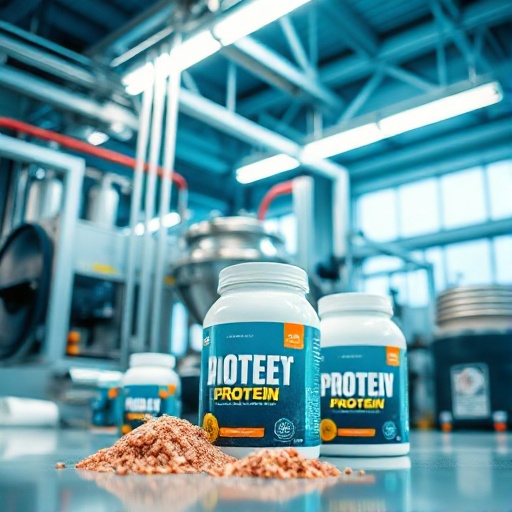
Protein powders remain the top seller for sports supplement manufacturers. Whey isolate delivers fast absorption that athletes prefer post-workout. Manufacturers also produce blends with pea, rice, and collagen for varied dietary needs. These options support muscle repair and daily nutrition goals. Brands request different scoop sizes and flavor systems to match consumer tastes. High-protein formulas drive repeat purchases across bodybuilding supplements lines.
Leading formulations now incorporate digestive enzymes such as protease and lactase to enhance tolerability, while slow-release micellar casein options cater to overnight recovery needs. Consumer preference data shows a 40% increase in demand for multi-source plant proteins among flexitarian athletes, prompting manufacturers to optimize texture through advanced extrusion and spray-drying technologies. Custom scoop sizes ranging from 25 g to 40 g servings allow brands to target both casual users and competitive bodybuilders.
Pre-Workout Formulations: Caffeine and Nootropics
Pre-workout products combine caffeine with nootropic compounds to boost focus and energy during training. Sports supplement manufacturers fine-tune stimulant levels to avoid jitters while maximizing performance. Brands customize these formulas with added beta-alanine or citrulline for better pumps. The category grows as more users seek targeted support for intense workout sessions. Effective pre-workout blends help differentiate private-label offerings in crowded markets.
Recent innovations include clinically studied nootropics such as alpha-GPC and L-theanine paired with moderate caffeine doses (150–200 mg) to promote clean energy without crashes. Manufacturers also offer stim-free variants featuring nitrates and citrulline malate for pump-focused users. Flavor innovation has moved beyond basic fruit punches to include exotic profiles like mango chili or salted caramel, while single-serve stick packs have gained traction for on-the-go convenience.
Muscle Recovery: BCAA and Creatine Options
BCAA and creatine formulas aid muscle recovery after heavy lifting or endurance sessions. Manufacturers produce these in powder and capsule formats for convenience. Brands often bundle them with protein powders to create complete recovery stacks. Precise dosing ensures athletes receive consistent results without excess fillers. Sports supplement manufacturers test solubility and taste to improve daily compliance among users.
Modern recovery products frequently combine 2:1:1 or 4:1:1 leucine ratios with added electrolytes and tart cherry extract for inflammation support. Creatine hydrochloride and buffered creatine variants address solubility concerns associated with traditional monohydrate, while micronized forms improve mixability in cold liquids. Subscription bundling programs that pair these items with protein have shown 25% higher retention rates among serious trainees.
Navigating the Challenges in Sports Supplement Manufacturing
Regulatory Compliance and Quality Assurance
Strict regulations govern every sports supplement manufacturer to protect consumer safety. Facilities follow GMP standards and conduct third-party testing for contaminants. Brands rely on documented traceability from raw materials to finished nutritional supplements. Compliance teams monitor label claims and ingredient sourcing rules. This rigorous process builds trust and reduces recall risks across sports nutrition products.
Compliance extends to FDA 21 CFR Part 111 requirements, EU novel food regulations, and WADA-compliant banned-substance screening. Advanced laboratories employ HPLC, GC-MS, and ICP-MS testing to detect heavy metals, pesticides, and microbial impurities at parts-per-billion levels. Full chain-of-custody documentation and lot-specific certificates of analysis give brands defensible marketing claims while mitigating liability exposure.
Research and Development in Nutritional Supplements
Research and development teams explore new ingredient synergies that enhance sports nutrition supplements. Manufacturers run clinical-style trials on emerging compounds before scaling production. Brands benefit from updated formulas that reflect the latest performance science. Investment in R&D keeps private-label lines competitive against larger competitors. Continuous testing refines absorption rates for items like whey isolate and creatine.
Many facilities now maintain in-house human performance labs that conduct double-blind crossover studies on absorption kinetics and ergogenic effects. Partnerships with universities have accelerated validation of novel compounds such as PeptiStrong and Senactiv. Ongoing refinement of delivery systems, including liposomal encapsulation and delayed-release beadlets, continues to improve bioavailability across protein and creatine categories.
Merchandising Strategies for Private-Label Brands
Effective merchandising highlights product benefits at the point of sale. Sports supplement manufacturers supply display units and educational materials that explain usage for specific goals. Brands position items near gym equipment or in recovery sections to drive impulse buys. Visual design elements reinforce premium quality. Strategic placement increases visibility for private-label sports nutrition supplements in both physical and digital channels.
Manufacturers frequently provide modular end-cap displays, QR-coded educational videos, and athlete-endorsed point-of-sale assets. Cross-merchandising with fitness apparel or gym accessories in big-box retailers has proven effective, while digital shelf analytics help optimize online placement on platforms such as Amazon and brand websites. Seasonal promotions tied to athletic events further boost visibility and trial among new users.
Future Trends in Sports Nutrition and Supplement Manufacturing
Emerging Ingredients and Formulations
New ingredients such as adaptogens and specialized peptides enter sports nutrition manufacturing pipelines. Manufacturers test these additions for stability in protein powders and pre-workout mixes. Brands adopt novel formulations that address sleep recovery and cognitive performance alongside physical gains. The sports supplement manufacturer role expands as demand rises for evidence-backed innovations. Early adopters gain market share with differentiated offerings.
Adaptogens like ashwagandha KSM-66 and Rhodiola rosea are being integrated into nighttime recovery formulas, while peptides such as BPC-157 analogs undergo stability testing for oral delivery. Cognitive-focused blends combining lion’s mane, phosphatidylserine, and magnesium threonate appeal to gamers and tactical athletes. These advancements position manufacturers as innovation partners rather than mere producers.
The Role of E-commerce in Sports Supplement Sales
E-commerce platforms accelerate direct sales of private-label sports nutrition supplements. Manufacturers integrate with brand websites to fulfill orders quickly. Subscription models encourage regular purchases of essentials like BCAA and creatine. Data analytics help refine product recommendations for individual athletes. This channel reduces reliance on traditional retail while expanding reach for supplement for athletes products.
Direct-to-consumer platforms now leverage AI-driven personalization engines that suggest stack combinations based on training logs and dietary preferences. Automated reorder systems and loyalty programs tied to usage milestones have increased average order value by 18%. Manufacturers offering API integrations with Shopify and Klaviyo further streamline logistics and customer communication.
Sustainability Practices in Manufacturing
Sustainability efforts include recyclable packaging and reduced water usage during production. Sports supplement manufacturers source ingredients from certified suppliers that follow ethical farming. Brands communicate these practices to environmentally conscious consumers. Waste minimization programs lower costs and align with regulatory expectations. Long-term commitments to green methods strengthen reputation in the sports nutrition sector.
Leading facilities have achieved zero-waste-to-landfill status through closed-loop water systems and upcycled ingredient byproducts. Carbon-neutral certifications and regenerative agriculture sourcing for pea and rice proteins resonate strongly with Gen-Z consumers. Brands that prominently feature these credentials on packaging and marketing materials report higher conversion rates and improved brand perception scores.
See Also
- The Science Behind Effective Nootropics in Sports Supplements for Enhanced Performance
- From Concept to Shelf the Journey of Sports Supplement Design and Merchandising
- Fueling Your Workout The Role of Caffeine and Meal Replacement in Sports Supplements
- Exploring the Benefits of Turnkey Solutions for Sports Supplement Startups