The Art of Metal Spinning Transforming Raw Material into Masterpieces
Understanding Metal Spinning: A Craft of Precision
The Basics of Metal Spinning
Metal spinning stands as a cornerstone of metalworking, where artisans and engineers shape flat metal discs into seamless, symmetrical forms using rotational force. This sheet metal-forming technique dates back centuries, evolving from manual lathe operations to modern precision metal spinning processes. At its core, metal spinning involves clamping a metal blank onto a spinning lathe mandrel and applying pressure with specialized tools to stretch and form the material around the mandrel's shape. Unlike stamping or casting, which rely on dies or molds, metal spinning creates hollow, cylindrical, or conical parts without seams, ideal for applications demanding strength and aesthetics. Engineers often choose metal spinning for its efficiency in low-volume production, allowing quick adjustments to designs without expensive tooling. The process excels in creating items like funnels, reflectors, and housings, where uniform thickness and smooth surfaces matter most. Precision metal spinning ensures tight tolerances, often down to fractions of a millimeter, making it indispensable in industries requiring durability and visual appeal. Spinning metal demands skill to control material flow, preventing defects like wrinkles or tears that could compromise structural integrity. As a form of metal forming, it transforms raw sheets into functional art, blending craftsmanship with engineering precision.
Key Tools and Equipment Used in Metal Spinning
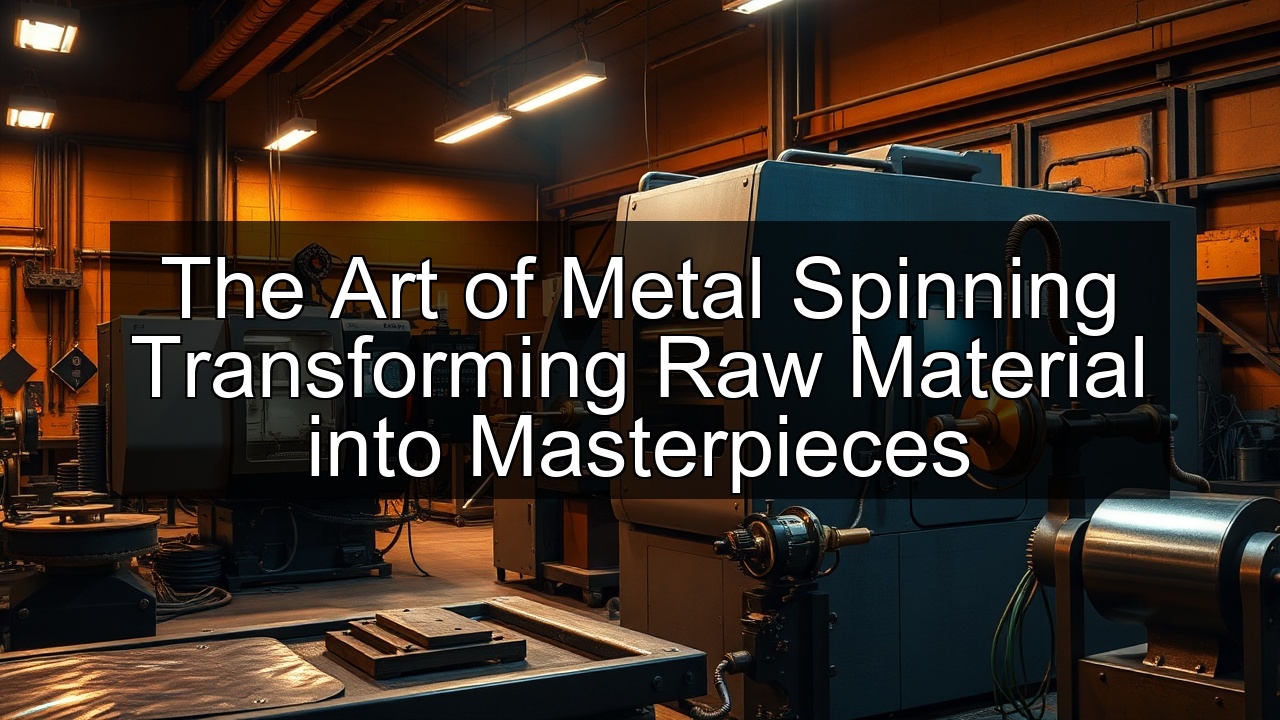
Skilled metalworkers rely on a suite of specialized tools and equipment to execute metal spinning flawlessly, turning raw metal into intricate designs. The lathe forms the heart of any spinning setup, a robust machine that rotates the mandrel at high speeds while supporting the tailstock to secure the metal blank firmly. Rollers and spinning tools, often made from hardened steel or carbide, apply targeted pressure to shape the metal, with various profiles for different contours like straight walls or curves. In precision metal spinning, CNC-equipped lathes integrate automated controls for consistent results, reducing human error in complex spins. Bearings play a crucial role, ensuring smooth rotation and minimal vibration during the metal spinning process. Additional equipment includes pressure pads to hold the blank steady and lubrication systems to prevent overheating, which could warp the metal. For larger projects, hydraulic assists boost force application, enabling thicker metals to form without cracking. Safety gear, such as guards and aprons, protects operators from flying debris in this high-speed metalworking environment. Manufacturers often customize toolsets for specific jobs, like soft rollers for delicate alloys or rigid ones for tough carbon steel. Mastering these tools elevates metal spinning services from basic fabrication to high-end engineering feats.
Different Types of Metals Used in Spinning Processes
Metal spinning accommodates a wide array of metals, each selected for unique properties that suit diverse applications in fabrication and manufacturing. Aluminum leads in popularity due to its lightweight nature and corrosion resistance, spinning easily into thin-walled parts for aerospace and automotive uses. Stainless steel offers superior strength and durability, ideal for food-grade containers or medical devices, though it requires careful heat management to avoid work-hardening. Copper and brass shine in decorative metal spinning, their malleability allowing ornate shapes like lampshades or musical instruments, while providing excellent conductivity. Bronze, an alloy of copper and tin, spins into bearings and marine hardware, resisting wear in harsh conditions. Carbon steel serves heavy-duty needs, forming robust components like gas cylinders, but demands robust tools to handle its toughness. Titanium enters the mix for high-performance sectors, such as defense, where its strength-to-weight ratio excels despite higher spinning challenges. Even exotic options like nickel alloys spin for extreme environments. Engineers match metal types to project demands, considering factors like ductility and thickness. This versatility underscores metal spinning's role in advancing metal fabrication across industries.
The Metal Spinning Process: From Concept to Creation
Raw Material Selection: Choosing the Right Alloys
Selecting the right raw materials drives success in the metal spinning process, where alloys dictate formability, strength, and final performance. Engineers begin by assessing project needs—ductility for complex shapes, hardness for load-bearing parts—then source high-quality sheet metal in precise gauges. Aluminum alloys like 3003 offer easy spinning for lightweight prototypes, while 6061 provides added strength for structural applications. Copper alloys, including pure copper and brass, excel in electrical components due to conductivity, spinning smoothly without cracking. Stainless steels, such as 304, resist corrosion in harsh settings, though purer forms like tin-plated steel suit food-safe items. Carbon steel variants handle industrial stresses, forming durable housings or tanks. Bronze alloys bring corrosion resistance to marine and artistic pieces. Factors like grain direction influence material flow during spinning, preventing defects. Sourcing from reputable suppliers ensures consistency, avoiding impurities that could ruin a spin. In metal fabrication, this step integrates with design, balancing cost against performance. Prototype runs test alloy choices, refining selections for production-scale metal spinning services that deliver flawless results.
Design Considerations for Spinning: Axis and Diameter
Designers craft metal spinning projects with axis and diameter at the forefront, ensuring manufacturability and structural integrity from the outset. The axis defines the rotational symmetry, typically vertical or horizontal on the lathe, guiding how forces distribute during the spin to avoid imbalances. For toroidal shapes or complex curves, multi-axis considerations prevent material thinning unevenly. Diameter choices hinge on blank size and mandrel capabilities—larger diameters demand powerful lathes to maintain speed and pressure. Engineers calculate draw ratios, limiting depth to diameter at about 2:1 for single-pass spins, or use multi-stage processes for deeper forms. Wall thickness uniformity relies on these parameters; excessive diameter strains edges, risking tears. Software simulations predict stress points, optimizing designs before cutting blanks. In metalworking, axis alignment with the tailstock secures stability, while diameter tolerances ensure fit in assemblies like bearings or lighting fixtures. Aesthetic elements, such as flared rims, incorporate diameter flares for visual impact without compromising strength. These considerations elevate spinning metal from simple tubes to engineered masterpieces, blending art with precision engineering.
The Role of CNC in Enhancing Precision Spinning
CNC technology revolutionizes metal spinning, infusing automation and accuracy into what was once a manual craft. CNC machining controls lathe speed, tool pressure, and path with programmed precision, replicating complex geometries across batches without variation. In precision metal spinning, this means tolerances as tight as 0.005 inches, crucial for components like automotive housings or medical implants. Operators input designs via CAD, where software simulates the spin to flag potential issues like material wrinkling. Multi-axis CNC lathes handle intricate paths, forming non-circular shapes or variable thicknesses unattainable manually. Integration with sensors monitors force in real-time, adjusting to metal properties for optimal results. This boosts efficiency in metal spinning services, slashing setup times and waste. For high-volume manufacturing, CNC enables lights-out operation, running overnight on prototypes to full runs. Yet, it complements artisan skills, allowing hybrid approaches for custom art pieces. Advancements in CNC software now incorporate AI for predictive maintenance, extending tool life in demanding alloys. Overall, CNC elevates metal fabrication, turning conceptual designs into reliable, high-quality spun metal products.
Applications of Metal Spinning in Various Industries
Metal Spinning in Automotive Manufacturing
Automotive manufacturing harnesses metal spinning to produce lightweight, durable components that enhance vehicle performance and efficiency. Engineers spin aluminum and steel alloys into wheel rims, exhaust mufflers, and fuel tanks, capitalizing on the process's ability to create seamless, vibration-resistant parts. Precision metal spinning ensures exact diameters for bearings and hubs, fitting snugly in assemblies without welds that could fail under stress. In electric vehicles, spun copper housings shield sensitive electronics, while brass fittings manage fluid lines. The metal spinning process allows rapid prototyping of custom shapes, accelerating development cycles for new models. Carbon steel gas cylinders for hybrid systems benefit from thick-walled spins that withstand high pressures. Manufacturers favor spinning over stamping for low-volume runs, like specialty parts in luxury cars, where aesthetics matter alongside function. Integration with CNC machining refines surfaces post-spin, achieving mirror finishes for visible elements. This application underscores metal spinning's versatility in engineering, reducing weight to boost fuel economy while maintaining safety standards. As autos evolve toward sustainability, spun metal parts lead in recyclable, efficient design.
Creating Art through Spun Metal: Lighting and Sculptures
Artists transform metal spinning into a medium for expression, crafting lighting fixtures and sculptures that blend functionality with beauty. Spun copper and brass yield elegant lampshades and reflectors, their smooth curves diffusing light artistically without joints. Bronze spins into timeless sculptures, capturing fluid forms that evoke motion in public installations. The process's rotational nature lends organic shapes, like flared bowls or toroidal orbs, ideal for contemporary art. In lighting design, precision metal spinning creates custom diffusers from aluminum, optimizing glow patterns for architectural spaces. Metalworkers collaborate with artists, using manual spins for one-off pieces that carry the maker's touch. Stainless steel offers modern, polished finishes for outdoor sculptures, resisting weather while shimmering under sun. Prototyping via small-scale spins tests artistic visions, refining diameters for balance. This fusion of metalworking and art extends to decorative vessels, where tin or silver alloys add patina over time. Spinning services cater to galleries and designers, producing limited editions that elevate spun metal to collectible status. Through these applications, metal spinning bridges craft and creativity, inspiring awe in everyday settings.
Gas Cylinders and Other Industrial Applications
Industrial sectors depend on metal spinning for gas cylinders and robust components that endure extreme conditions. Carbon steel and aluminum alloys spin into high-pressure vessels, forming seamless bodies that prevent leaks better than welded alternatives. The metal spinning process ensures uniform wall thickness, vital for safety in storing oxygen, propane, or helium. Diameters range from portable sizes to massive industrial tanks, with tailstock support handling heavy blanks. In chemical processing, stainless steel cylinders resist corrosion, while titanium variants serve aerospace fueling. Beyond cylinders, spinning produces pressure vessels, filters, and enclosures for machinery. CNC-enhanced spinning achieves precision for threaded necks, integrating with machining for complete assemblies. Manufacturers prioritize alloys like alloy steels for high-strength needs in oil and gas. Prototypes test burst pressures, ensuring compliance with regulations. Other applications include spun metal funnels for material handling and housings for pumps in engineering. This reliability makes metal spinning indispensable in fabrication, supporting infrastructure from welding shops to power plants. As industries scale, spinning's efficiency drives cost-effective, durable solutions.
The Future of Metal Spinning: Innovations and Advancements
Integration of CNC Machining in Metal Spinning
Integrating CNC machining with metal spinning unlocks unprecedented precision and versatility, propelling the field into advanced manufacturing eras. CNC systems now orchestrate entire workflows, from blank loading to final trimming, synchronizing spins with milling for hybrid parts. This fusion handles complex geometries, like internally ribbed cylinders, impossible with traditional methods. In metal fabrication, real-time data from CNC monitors material strain, auto-adjusting parameters to minimize defects in tricky alloys. Software advancements enable 3D modeling of spin paths, predicting outcomes for prototypes before production. High-speed CNC lathes spin at 3000 RPM, forming thin sheets rapidly for mass markets. Collaboration with robotics automates handling, boosting throughput in spinning services. For custom engineering, this integration crafts bespoke components, such as lightweight drone frames from spun titanium. Sustainability benefits emerge too, as optimized processes cut scrap by 20 percent. Engineers explore AI-driven CNC for adaptive spinning, learning from past runs to refine techniques. This evolution positions metal spinning as a leader in smart manufacturing, delivering innovative solutions across sectors.
Exploring Roll Forming and Stamping Techniques
Metal spinning evolves alongside roll forming and stamping techniques, offering complementary paths in metal forming for diverse production needs. Roll forming continuously bends sheet metal through sequential rollers, ideal for long profiles like channels or tubes, contrasting spinning's rotational focus on axis-symmetric shapes. Stamping punches dies into blanks for high-volume, intricate parts, but lacks spinning's seamlessness for hollow forms. Hybrid approaches combine them—spinning rough shapes then roll forming edges for enhanced strength. In manufacturing, engineers select based on volume: stamping for millions of identical pieces, spinning for custom diameters, and roll forming for efficiency in lengths. CNC integration bridges these, automating transitions for precision metalworking. Alloys like brass thrive in roll forming for decorative trim, while carbon steel suits stamping in automotive panels. Innovations in flexible tooling allow quick changeovers, blurring lines between techniques. For sustainability, these methods reduce energy use compared to casting. Exploring synergies expands metal spinning services, enabling fabricators to tackle multifaceted projects like aerospace ducts or architectural facades with unmatched adaptability.
Sustainability in Metal Fabrication and Spinning Services
Sustainability shapes the future of metal fabrication, with spinning services adopting eco-friendly practices to minimize environmental impact. Recyclable metals like aluminum and steel dominate, their infinite reusability cutting virgin material needs by up to 95 percent in closed-loop systems. CNC-optimized spinning reduces waste, precisely forming parts to spec without excess trimming. Water-based lubricants replace oils, easing cleanup and disposal in metalworking operations. Energy-efficient lathes with variable-speed drives lower consumption during spins. Manufacturers implement lean principles, prototyping digitally to avoid physical trials. Alloy selection favors low-carbon options, like recycled copper for electrical apps, shrinking footprints. Certifications like ISO 14001 guide companies toward green standards in engineering. Innovations include biodegradable tools and solar-powered facilities for spinning services. In art and industry, sustainable spun metal inspires, from recycled brass sculptures to lightweight auto parts boosting efficiency. This commitment not only complies with regulations but drives cost savings and market appeal, ensuring metal spinning remains viable for generations.
Choosing the Right Manufacturer for Metal Spinning Services
Evaluating Metal Spinning Companies: What to Look For
Selecting a metal spinning company demands scrutiny of expertise, capabilities, and reliability to secure top-tier results. Start with experience—firms with decades in metalworking handle diverse alloys from copper to titanium, navigating challenges like high-diameter spins. Certifications such as ISO 9001 signal quality commitment, while in-house CNC machining indicates advanced precision. Tour facilities to assess equipment: modern lathes with tailstock automation and robust tools ensure efficient processes. Review portfolios for applications like gas cylinders or lighting, verifying versatility in fabrication. Customer testimonials highlight responsiveness, from prototype spins to volume runs. Ask about lead times and scalability—reputable manufacturers balance custom art with industrial demands. Cost transparency matters, avoiding hidden fees in engineering quotes. Sustainability practices, like scrap recycling, add value in eco-conscious projects. Partner with companies offering design consultation, refining axis and diameter specs upfront. This evaluation yields partners who transform concepts into spun metal masterpieces, streamlining your manufacturing journey.
The Importance of Prototyping in Metal Fabrication
Prototyping anchors metal fabrication, allowing iterative testing in metal spinning to perfect designs before full commitment. Early prototypes reveal formability issues, like thinning in complex curves, enabling adjustments to alloys or tools. CNC-driven spins produce quick samples from digital files, accelerating feedback loops in engineering. For applications like automotive bearings, prototypes endure stress tests, ensuring durability under real loads. In art, spun metal prototypes capture artistic intent, tweaking diameters for aesthetic balance. This phase minimizes risks in stamping or casting alternatives, as spinning prototypes highlight material flow uniquely. Manufacturers use 3D scanning to compare prototypes against specs, refining precision. Cost-effective for low volumes, prototyping scales insights to production, cutting overall expenses. Collaborative prototyping fosters innovation, blending client visions with expert metalworking knowledge. Ultimately, it guarantees seamless transitions to manufacturing, delivering reliable gas cylinders or lighting fixtures that meet exacting standards.
Quality Control in Metal Spinning and Fabrication
Quality control permeates metal spinning and fabrication, safeguarding every stage from blank inspection to final polish. Rigorous checks verify alloy purity and thickness, preventing spins marred by inconsistencies. During the process, sensors monitor pressure and speed, halting operations if variances threaten integrity. Post-spin, ultrasonic testing detects hidden flaws in walls, crucial for pressure vessels like gas cylinders. Dimensional gauging ensures diameters and axes align with tolerances, using CMMs for micron accuracy. Surface inspections, via profilometers, confirm smoothness for aesthetic pieces like sculptures. Traceability systems log each step, from raw metal to finished product, aiding audits in manufacturing. Training equips operators to spot defects like orange peel textures early. In CNC environments, software flags anomalies in real-time, enhancing precision metal spinning. Certifications enforce standards, while customer audits build trust in services. This meticulous approach not only meets specs but exceeds expectations, fostering long-term partnerships in metalworking excellence.