Precision Machining with CNC Swiss Lathes for Diverse Applications
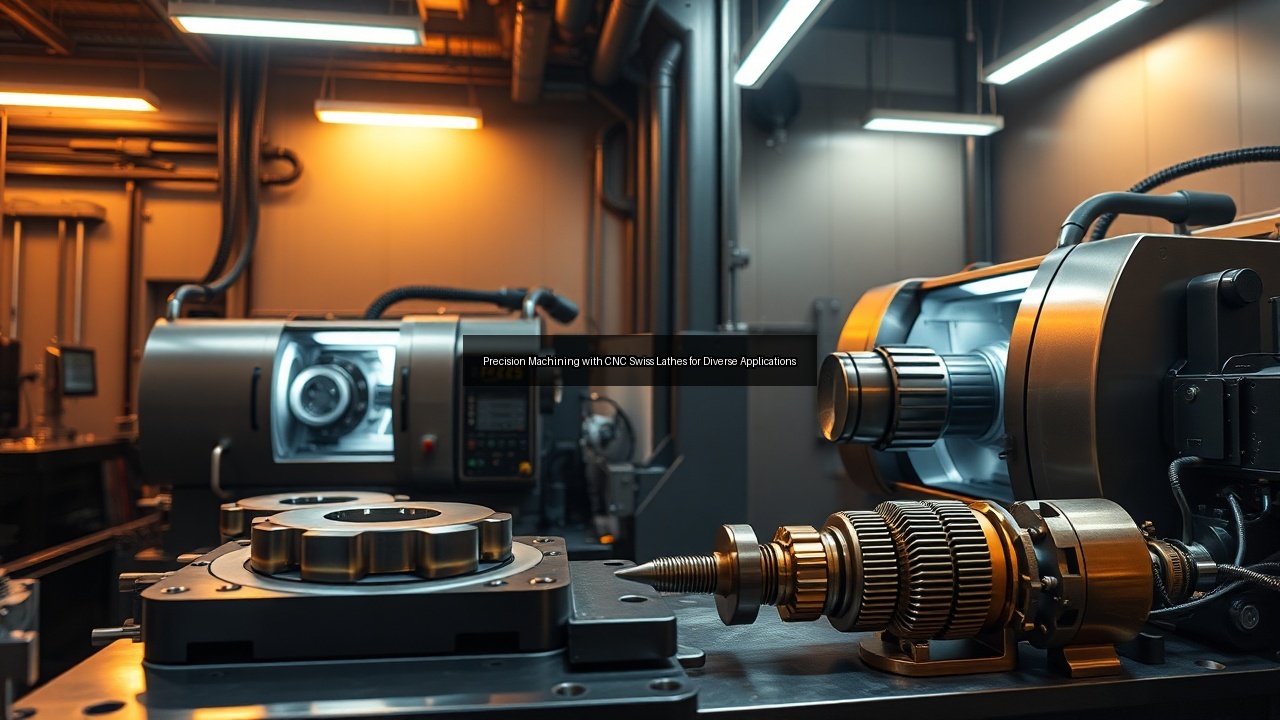
Understanding CNC Swiss Lathes and Their Applications
What are CNC Swiss Lathes?
CNC Swiss lathes represent a groundbreaking advancement in machining technology, designed primarily for the production of high-precision components. Unlike traditional lathes, CNC Swiss lathes utilize a unique sliding headstock mechanism that allows the workpiece to move forward while being machined. This dynamic setup enables the creation of intricate parts with exceptional accuracy. The CNC (Computer Numerical Control) aspect means that these lathes operate based on digital designs, ensuring high repeatability and consistency. As a result, CNC Swiss lathe machining services have become indispensable in various manufacturing domains that demand precision and efficiency.
Key Features of CNC Swiss Lathes
CNC Swiss lathes boast several key features that set them apart from conventional machining tools. One standout characteristic is their ability to handle long, slender workpieces, which are common in many applications. The sliding headstock design allows for tighter tolerances and better chip control. Additionally, these machines often come equipped with multiple tool stations, enabling simultaneous operations such as drilling, milling, and threading. This versatility significantly reduces cycle times and enhances efficiency. The integration of advanced software for programming also allows operators to make quick adjustments, further optimizing the machining process. The combination of these features makes CNC Swiss lathes ideal for producing complex geometries and high-precision components.
Applications in Various Industries
CNC Swiss lathes find applications across a multitude of industries due to their precision and flexibility. In the aerospace sector, manufacturers rely on these machines to create components that meet strict weight and safety standards. Medical device manufacturers benefit from CNC Swiss lathes for producing intricate parts like surgical instruments, which require both high tolerances and biocompatibility. The automotive industry utilizes Swiss screw machining for creating complex components such as fuel injectors and transmission parts, where durability and performance are paramount. Other industries, including electronics and telecommunications, also leverage CNC Swiss lathe machining services for producing high-quality, reliable parts. The versatility of Swiss lathes to accommodate various materials, including metals and plastics, further enhances their applicability across diverse fields.
The Advantages of CNC Swiss Lathe Machining Services
Precision and Tolerances in Swiss Machining
Precision stands as the cornerstone of CNC Swiss lathe machining services. These machines excel in producing parts with tolerances that often reach within a few microns. Swiss lathes employ advanced programming and tooling techniques, which allow for tightly controlled machining processes. This capability is essential in industries like aerospace and medical device manufacturing, where even minor deviations can lead to significant issues. The ability to maintain such high tolerances ensures that each component fits seamlessly into larger assemblies, thereby enhancing overall product quality. Furthermore, the precision achieved in Swiss machining leads to reduced scrap rates, minimizing waste and optimizing resource utilization.
Efficiency in Production and Volume
CNC Swiss lathes significantly enhance production efficiency, making them suitable for both low and high-volume runs. Their automatic tool-changing capabilities and multi-tasking functions allow for continuous machining without the need for manual intervention. This efficiency is particularly advantageous in Just-In-Time (JIT) manufacturing environments, where meeting tight deadlines with minimal inventory is crucial. The ability to quickly switch between different setups and maintain high-speed operations enables manufacturers to respond swiftly to market demands. Additionally, the reduced cycle times associated with Swiss screw machining lower production costs, making it an economical choice for businesses aiming to scale their operations.
Quality Management Systems in Swiss Machining
Quality management systems play a vital role in the success of CNC Swiss lathe machining services. These systems ensure that every aspect of the production process adheres to stringent quality standards. Regular inspections and testing during machining processes help identify and rectify potential issues before they escalate. Many manufacturers implement ISO certification standards to reinforce their commitment to quality. By integrating quality control measures directly into the machining process, companies can guarantee that each part meets or exceeds specifications. This focus on quality not only enhances product reliability but also builds trust with clients, establishing long-term partnerships in various industries.
Complex Geometries and Screw Machining
Designing for Complex Geometries
One of the standout capabilities of CNC Swiss lathes is their proficiency in producing complex geometries. Designers often face challenges when creating intricate shapes, but CNC Swiss machining services simplify this task. The advanced tooling and programming capabilities of these machines allow for the creation of parts with varying cross-sections, contours, and angles. This flexibility enables engineers to push the boundaries of design, creating components that were once deemed impossible with conventional machining methods. The ability to design for complex geometries not only enhances functionality but also allows for lightweighting, which is particularly beneficial in industries like aerospace and automotive.
The Role of Swiss Screw Machining
Swiss screw machining is integral to the operation of CNC Swiss lathes, particularly when producing parts with threaded features. The precision threading capabilities of Swiss lathes ensure that each screw and threaded component meets exact specifications, crucial for applications that demand reliability. The machining process allows for the creation of various thread types, including metric and imperial standards, accommodating a wide range of applications. Moreover, the efficiency of Swiss screw machining reduces the lead time for production, making it an ideal solution for industries that require rapid turnaround times without compromising quality.
Threading and Lead in CNC Swiss Lathes
Threading stands as a fundamental aspect of CNC Swiss lathe machining, with the ability to produce leads and threads that meet stringent industry standards. CNC Swiss lathes employ specialized tooling designed for precise threading operations, allowing for the creation of both external and internal threads with remarkable accuracy. The lead of a thread, which refers to the distance the screw advances in one full revolution, can be meticulously controlled to align with design specifications. This precision is crucial in applications such as fasteners and machine components, where incorrect threading can lead cnc lathe machining to assembly failures. The advanced capabilities of Swiss lathes ensure that threading and lead are consistently maintained across production runs, giving manufacturers peace of mind regarding quality and performance.
Industry-Specific Applications of Swiss Machining
Aerospace Industry Requirements
The aerospace industry demands the highest levels of precision, reliability, and adherence to regulatory standards. CNC Swiss lathe machining services provide the perfect solution for creating components like brackets, fittings, and fasteners that meet these stringent requirements. The ability to produce lightweight cnc lathe machining yet robust parts is essential in aerospace applications, where weight savings directly impact fuel efficiency and overall performance. Additionally, the high tolerances achieved through Swiss screw machining ensure that components fit perfectly within complex assemblies, enhancing safety and performance. Manufacturers in the aerospace sector often partner with CNC Swiss lathe service providers to leverage their expertise and technology, ensuring compliance with industry standards while driving innovation.
Medical Device Manufacturing
In the realm of medical device manufacturing, precision cannot be compromised. CNC Swiss lathes play a crucial role in producing components like surgical instruments, implantable devices, and diagnostic tools. These parts often require intricate designs and biocompatible materials, which CNC Swiss machining services can adeptly handle. The high-quality finish and tight tolerances achieved through Swiss machining ensure that medical devices perform reliably in critical applications. Regulatory compliance further underscores the importance of quality management systems in this industry. Manufacturers must adhere to stringent standards such as ISO 13485, ensuring that every machined part meets the requirements for safety and efficacy.
Automotive Components and Swiss Lathes
The automotive industry relies on a wide array of components, many of which benefit from the capabilities of CNC Swiss lathes. From fuel injectors to transmission parts, these machines excel in producing high-precision components that withstand extreme conditions. Swiss screw machining allows manufacturers to create intricate designs that enhance performance while maintaining durability. The automotive sector also values efficiency, making the rapid production capabilities of CNC Swiss lathes a significant advantage. As vehicles evolve with new technologies such as electric drivetrains and advanced safety systems, the demand for precision-engineered components continues to grow, reinforcing the critical role of Swiss lathe machining services in the automotive landscape.