Elevator Motor Repair Secrets Every Building Owner Should Know
Understanding Elevator Motors and Their Importance
What is an Elevator Motor?
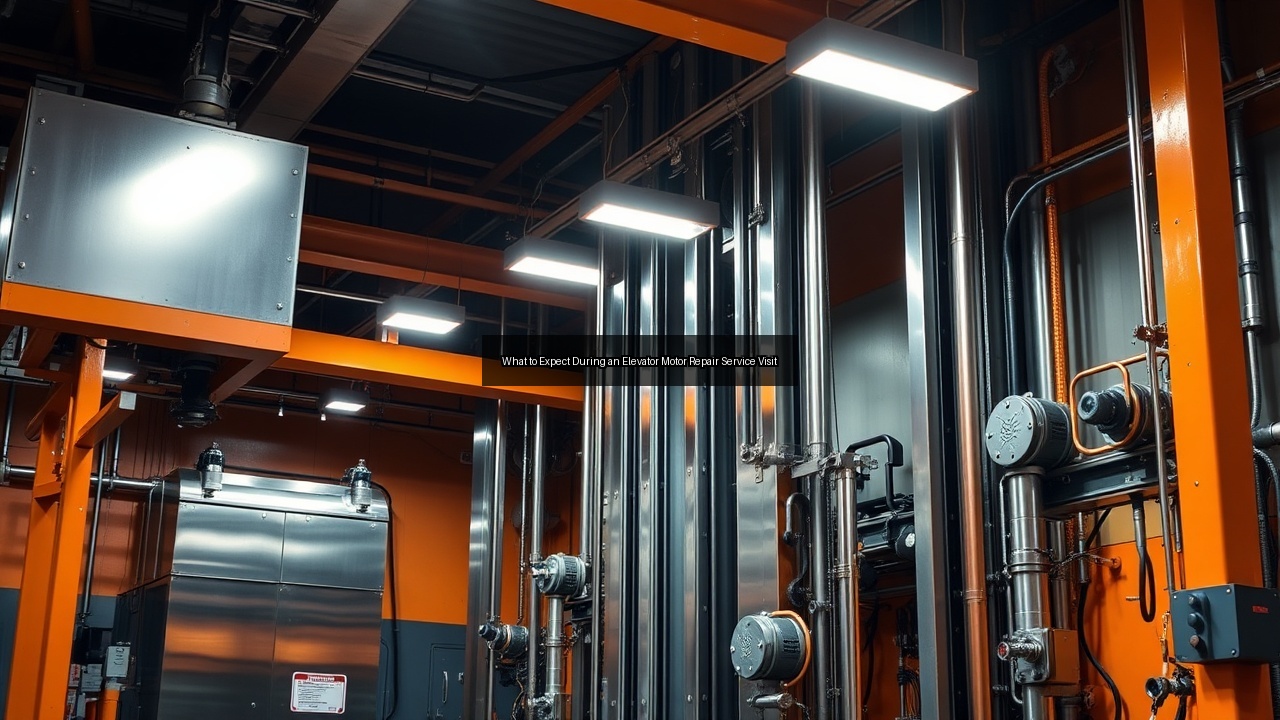
Elevator motors power the vertical movement essential to modern buildings, driving the entire lift system with precision and efficiency. These robust machines convert electrical energy into mechanical force, enabling elevators to carry passengers and cargo smoothly between floors. At their core, elevator motors feature components like rotors, stators, and windings that generate the torque needed to overcome gravity. Building owners rely on these motors for daily operations, yet they often overlook their complexity until issues arise. Understanding the elevator motor's design helps in spotting early signs of wear, such as unusual noises or sluggish performance. Regular checks on the motor's insulation and bearings prevent costly downtime. In high-rise structures, a single elevator motor failure can disrupt workflows, emphasizing the need for proactive elevator motor maintenance. Services specializing in elevator motor repair ensure these vital parts remain operational, extending the lifespan of lifts across commercial and residential properties.
Types of Elevator Motors: Hydraulic vs. Electric
Hydraulic elevators use fluid pressure to lift the cab, making them ideal for low- to mid-rise buildings where loads remain moderate. The hydraulic elevator motor drives a pump that pressurizes oil, pushing the piston to raise the lift. These systems offer smooth rides and handle heavier weights effectively, but they consume more energy and require larger machine rooms. In contrast, electric elevators employ traction motors connected to a sheave, which winds cables to pull the cab up and down. Electric models dominate high-rise applications, providing faster speeds and regenerative braking that saves power. Traction systems reduce the need for extensive pit space, enhancing installation flexibility. Building owners must weigh factors like building height and traffic volume when selecting between hydraulic and electric options. Both types demand specialized elevator motor repair services to address issues like fluid leaks in hydraulics or winding faults in electrics, ensuring ongoing reliability and safety.
The Role of the Generator in Elevator Systems
Generators in elevator systems serve as backup power sources, kicking in during outages to lower the cab safely to the ground floor. Modern setups integrate generators with the main elevator motor, allowing controlled descents that prevent free-falls and protect passengers. These devices store energy or draw from alternative supplies, maintaining the generator's output to the motor's control circuits. In emergency scenarios, the generator ensures the sheave rotates slowly, coordinating with brakes for a secure stop. Building owners benefit from this redundancy, as it complies with safety codes and minimizes liability. Without a functional generator, elevator repair becomes urgent, potentially halting operations until professionals restore power integration. Elevator motor services often include generator testing as part of comprehensive maintenance, verifying connections and fuel levels to guarantee seamless performance. Investing in quality generators enhances overall system reliability, particularly in areas prone to blackouts.
Common Issues with Elevator Motors
Signs Your Elevator Motor Needs Repair
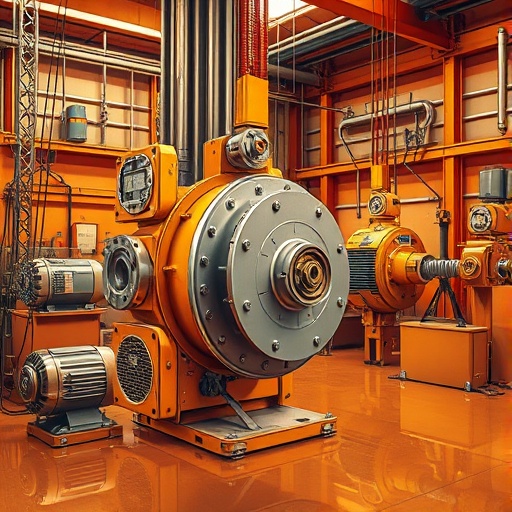
Elevator motors signal trouble through vibrations that shake the entire shaft, indicating misalignment or bearing wear. Owners notice jerky starts or stops, where the lift hesitates before moving, pointing to control system glitches tied to the motor. Overheating manifests as warm machine room air or burning smells, often from overloaded windings. Listen for grinding noises from the sheave area, which suggest lubrication failures affecting motor performance. Door malfunctions, like elevator buttons failing to register, can strain the motor by causing incomplete cycles. Prompt attention to these signs prevents escalation; ignoring them leads to full breakdowns requiring extensive elevator motor repair. Professional motor repair services diagnose these issues using diagnostic tools, ensuring quick fixes that restore smooth operation. Building managers who monitor these indicators maintain safety and avoid emergency shutdowns in busy facilities.
Top Causes of Elevator Motor Failures
Overloading the elevator beyond its rated capacity stresses the motor, causing premature wear on gears and windings. Dust and debris accumulation in the machine room corrode components, leading to short circuits in the elevator motor. Voltage fluctuations from unstable power supplies burn out insulation, a common culprit in older buildings. Neglected lubrication on the sheave and bearings increases friction, overheating the system. Environmental factors like high humidity promote rust, while infrequent maintenance skips critical checks on the generator ties. Elevator button malfunctions force the motor to overwork during retries, accelerating fatigue. Addressing these causes through routine elevator motor maintenance extends service life and cuts repair costs. Expert elevator repair services identify root problems, from electrical surges to mechanical imbalances, preventing recurring failures and ensuring lifts operate efficiently for years.
The Impact of Elevator Button Malfunctions on Motor Performance
Elevator button failures disrupt signal transmission to the motor, causing it to cycle unnecessarily and build excessive heat. When buttons stick or fail to light up, the control system misinterprets commands, leading the motor to engage in short bursts that strain its components. This inefficiency spikes energy use and wears down the sheave faster, as repeated partial lifts tax the traction ropes. In hydraulic elevators, erratic button inputs confuse the pump motor, resulting in pressure inconsistencies that jolt the cab. Building owners see productivity dips from delayed floors, compounded by safety risks if passengers override faulty inputs. Integrating reliable elevator buttons with motor diagnostics catches these issues early. Specialized motor repair services recalibrate controls during elevator motor repair, restoring precise performance. Proactive replacement of worn buttons as part of maintenance routines safeguards motor health, boosting overall lift reliability in high-traffic environments.
Maintenance Strategies for Elevator Motors
Preventative Maintenance: Keeping Your Elevator Running Smoothly
Preventative maintenance schedules regular inspections of the elevator motor, focusing on lubrication, alignment, and electrical integrity to avert breakdowns. Technicians clean the sheave and check tension on ropes, ensuring even load distribution that protects the motor from uneven stress. Monthly oil level verifications in hydraulic systems prevent pump failures, while electric motors benefit from winding resistance tests. Documenting these steps tracks wear patterns, allowing adjustments before issues escalate. Building owners who implement preventative protocols reduce unplanned downtime by up to 50 percent, per industry reports. Elevator motor maintenance includes generator backups, verifying seamless power handoffs. Partnering with trusted repair and maintenance services ensures compliance with codes, extending lift longevity. This approach not only enhances safety but also optimizes energy efficiency, making it a smart investment for property managers handling daily operations.
The Importance of Predictive Maintenance
Predictive maintenance employs sensors and data analytics to forecast elevator motor issues, shifting from reactive fixes to informed interventions. Vibration monitors on the motor detect anomalies early, signaling bearing degradation before audible noise emerges. Thermal imaging spots hotspots in windings, preventing insulation breakdowns that lead to fires. Integrating IoT devices with the generator tracks power fluctuations, predicting surges that could overload the system. For hydraulic elevators, pressure sensors alert to fluid contamination risks. This strategy cuts repair costs by identifying problems during routine elevator motor services, avoiding emergency calls. Building owners gain peace of mind knowing predictive tools enhance reliability, minimizing disruptions in commercial spaces. Services offering predictive maintenance use software to analyze trends, recommending timely actions like sheave resurfacing. Adopting this method transforms maintenance from guesswork to precision, ensuring elevators perform consistently over decades.
Scheduled Maintenance vs. Reactive Maintenance
Scheduled maintenance follows a calendar of routine checks, such as quarterly motor alignments and annual sheave inspections, building a foundation of reliability. This proactive stance catches subtle wear in elevator buttons and generator connections, preventing minor glitches from cascading into major failures. Reactive maintenance, however, waits for breakdowns—like a seized motor halting the lift—leading to rushed, expensive repairs that disrupt building access. Scheduled approaches save up to 30 percent in long-term costs by extending component life through consistent care. In contrast, reactive fixes often reveal overlooked issues, compounding downtime. Elevator motor repair services advocate for scheduled plans tailored to usage intensity, incorporating predictive elements for optimal results. Building owners prioritizing schedules over reactions foster safer environments and smoother operations, turning maintenance into a strategic asset rather than a crisis response.
Choosing the Right Elevator Motor Repair Services
What to Look for in Motor Repair Services
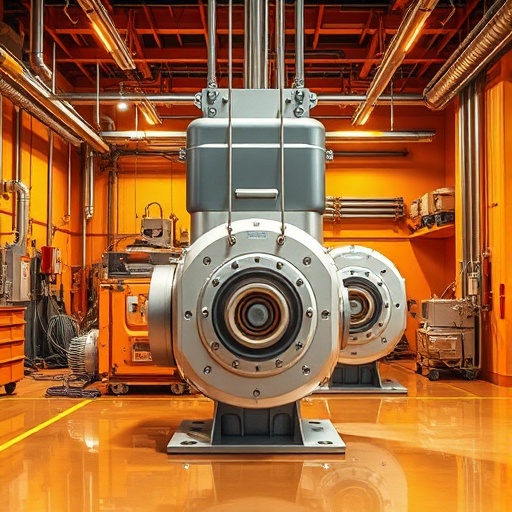
Select elevator motor repair services with certified technicians experienced in both hydraulic and electric systems, ensuring they handle diverse lift configurations effectively. Verify licensing and insurance to protect against liabilities during on-site work. Look for providers offering 24/7 emergency response, as motor failures demand swift action to resume operations. Comprehensive services should include diagnostics, parts sourcing, and post-repair testing for full system integration. Customer reviews highlighting quick turnaround and transparent pricing signal reliability. Prioritize firms using OEM parts for the sheave and generator to maintain warranty compliance. Elevator motor services that bundle maintenance plans provide ongoing value, addressing related searches like motor repair and repair services holistically. Informed choices in these providers safeguard your investment, delivering elevators that run safely and efficiently for building occupants.
Renown Electric: A Trusted Partner for Elevator Repairs
Renown Electric stands out as a premier provider of elevator motor repair services, delivering expertise across urban and suburban properties. Their team specializes in diagnosing complex issues in traction and hydraulic systems, from motor windings to sheave alignments, with a focus on minimizing downtime. Clients praise Renown Electric for their thorough inspections that uncover hidden faults in elevator buttons and generators, preventing future disruptions. As a full-service partner, they offer tailored maintenance programs incorporating predictive and preventative strategies, ensuring lift reliability year-round. Renown Electric's commitment to using high-quality parts and advanced tools sets them apart in the competitive field of motor services. Building owners turn to them for everything from routine elevator motor maintenance to emergency repairs, benefiting from cost-effective solutions that extend equipment life. Partnering with Renown Electric means accessing a network of skilled professionals dedicated to seamless elevator performance.
Cost Considerations for Elevator Motor Repair and Maintenance
Elevator motor repair costs vary based on the issue's severity, with simple bearing replacements running $500 to $1,500, while full rewinds can exceed $5,000. Factor in diagnostic fees and travel for on-site services, which add to the total for remote buildings. Maintenance contracts, averaging $200 monthly, cover inspections and minor fixes, offsetting larger repair bills through early detection. Hydraulic systems incur higher fluid and pump costs compared to electric traction setups. Budget for generator overhauls every five years to avoid emergency expenses. Choosing reputable elevator motor repair services like those emphasizing repair and maintenance bundles controls spending while enhancing value. Building owners should request detailed quotes covering parts, labor, and warranties to make informed decisions. Long-term planning around these costs ensures financial predictability, keeping lifts operational without straining property budgets.
Enhancing Reliability through Effective Repairs
The Connection Between Maintenance and Reliability
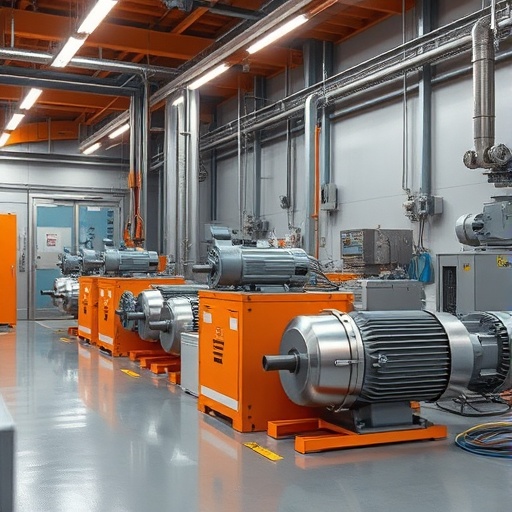
Consistent maintenance directly bolsters elevator reliability by addressing wear before it compromises the motor's output. Routine checks on sheave grooves and rope tension distribute loads evenly, reducing stress that leads to failures. Integrating predictive maintenance with traditional schedules catches electrical anomalies in the generator early, preventing power-related halts. Elevator buttons receive calibration to ensure accurate signals, avoiding motor overwork from miscommunications. This synergy minimizes unplanned repairs, with studies showing maintained systems experience 40 percent fewer incidents. Building owners who link maintenance to reliability see fewer tenant complaints and lower insurance premiums. Elevator motor services that emphasize this connection provide holistic plans, covering hydraulic and electric variants alike. Ultimately, viewing maintenance as reliability's backbone transforms elevators from potential liabilities into dependable assets in daily building life.
Best Practices for Elevator Motor Maintenance and Repair
Adopt best practices by conducting bi-annual deep cleans of the machine room to remove dust affecting motor cooling. Lubricate bearings quarterly using manufacturer-specified oils, extending their life and smoothing sheave operations. Test generator startups monthly to confirm backup readiness during outages. For repairs, always isolate power before accessing the motor, following lockout-tagout protocols for safety. Use thermal scans post-repair to verify even heating, ensuring no hotspots remain. Train staff on basic elevator button checks to spot issues early, reducing service calls. Elevator motor repair services recommend logging all interventions for trend analysis, informing future maintenance. These habits, applied consistently, enhance system efficiency and comply with ASME standards. Building managers implementing them achieve peak performance, turning routine care into a competitive edge for property management.
How Regular Service Can Extend the Life of Your Lift
Regular service prolongs lift life by up to 20 years through targeted interventions that preserve motor integrity. Annual overhauls recalibrate controls and inspect windings, warding off electrical degradation common in high-use elevators. Addressing elevator button wear prevents signal errors that strain the motor over time. In hydraulic setups, fluid flushes remove contaminants, safeguarding the pump from corrosion. Generator tune-ups ensure reliable emergencies, avoiding secondary damage from abrupt stops. Predictive tools during service predict sheave replacements, planning budgets ahead. Elevator motor maintenance services track usage data to customize intervals, optimizing for traffic patterns. Owners committing to this regimen cut total ownership costs, as extended life defers major capital outlays. Reliable lifts from diligent service not only boost occupant satisfaction but also elevate property values in competitive markets.
See Also
- How Preventative Maintenance Can Extend Your Elevator's Lifespan
- Unlocking the Benefits of Predictive Maintenance for Elevator Motors
- Reviving Your Lift with Expert Elevator Motor Repair Services
- Elevator Motor Troubleshooting Tips for Quick Fixes
- Understanding the Mechanics Behind Hydraulic Elevator Motor Maintenance