Choosing the Best Aluminum Work Platforms for Heavy-Duty Tasks
Understanding Industrial Work Platforms
What Are Industrial Work Platforms?
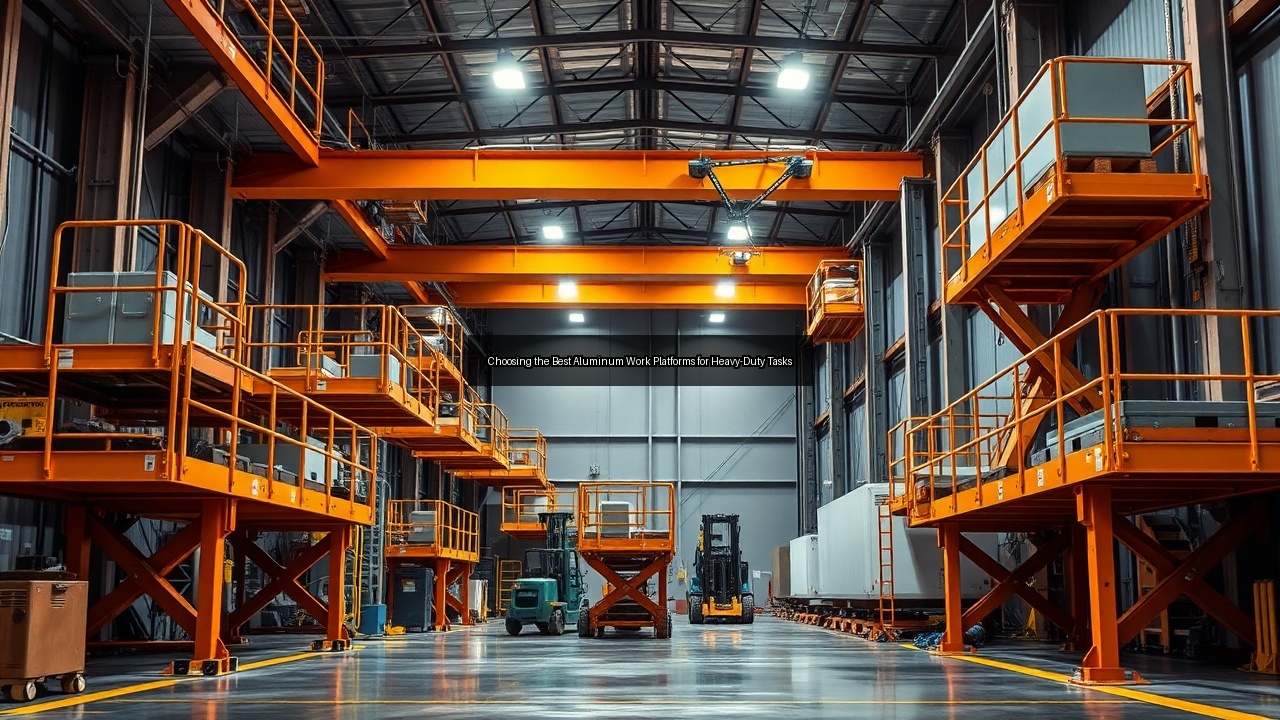
Industrial work platforms elevate workers and equipment to reach high spots in factories, warehouses, and construction sites. These structures provide stable access for tasks that demand elevation without relying on ladders or makeshift setups. Aluminum work platforms stand out for their lightweight construction and corrosion resistance, making them ideal for heavy-duty tasks in demanding environments. Workers use them to perform maintenance on machinery, assemble components, or inspect overhead systems safely. Unlike temporary scaffolding, industrial work platforms offer modular designs that assemble quickly and adapt to various job requirements. They integrate seamlessly with material handling equipment, boosting overall efficiency in industrial settings. Safety standards from organizations like OSHA guide their design, ensuring guardrails and non-slip surfaces prevent falls and slips. Companies choose aluminum versions over steel work platforms because they resist rust in humid or chemical-exposed areas, extending service life. Access platforms like these reduce downtime by allowing quick positioning for repairs on conveyors or racks. In essence, industrial work platforms transform hazardous elevated work into routine operations, prioritizing worker protection while enhancing productivity across industries.
Types of Industrial Work Platforms
Industrial work platforms come in several types to suit diverse operational needs, from fixed installations to mobile units. Cantilever platforms extend over edges without support underneath, perfect for loading docks or bridge inspections where space limits full under bracing. Trestle platforms use adjustable legs for uneven floors, providing height flexibility in workshops or silos. Rolling platforms with casters enable easy movement around warehouses, ideal for accessing cylinders or truck and trailer areas. Fixed aluminum work platforms bolt permanently to structures, offering unwavering stability for mezzanine levels or gantry systems. Scaffolding-style platforms stack for taller reaches, while scissor-lift integrated ones combine elevation with horizontal mobility. Each type incorporates features like stairs for safe ascent and guardrails to contain workers. Aluminum dominates for its balance of strength and portability, outperforming heavier steel work platforms in frequent relocation scenarios. Material handling integrations, such as attachments for cranes, expand their utility. Selecting the right type hinges on task specifics—mobile for dynamic sites, fixed for static heavy-duty work—ensuring industrial work platforms deliver optimal performance without compromising safety or efficiency.
Applications in Heavy-Duty Tasks
Heavy-duty tasks in manufacturing and logistics demand robust solutions, and industrial work platforms excel by providing elevated access to complex machinery and storage systems. Mechanics rely on them for overhauling large conveyor belts or repairing overhead racks in bustling warehouses. In loading docks, platforms position workers to load or unload truck and trailer compartments efficiently, integrating with material handling equipment to streamline operations. Construction crews use them on job sites for installing mezzanine levels or accessing silo interiors, where their aluminum frames withstand vibrations from nearby equipment. Maintenance teams elevate to inspect gantry cranes or bridge structures, spotting issues before they escalate. These platforms handle the rigors of industrial work, supporting tools and personnel during welding, painting, or electrical tasks high above ground. Their versatility shines in environments with limited space, like tight aisles around cylinders or heavy racks. By facilitating safe, quick access, industrial work platforms cut injury risks and boost task completion rates. Industries from automotive assembly to food processing adopt them, recognizing how aluminum's durability meets the relentless pace of heavy-duty demands while promoting ergonomic positioning to reduce strain.
Key Features of Aluminum Work Platforms
Durability and Weight Benefits
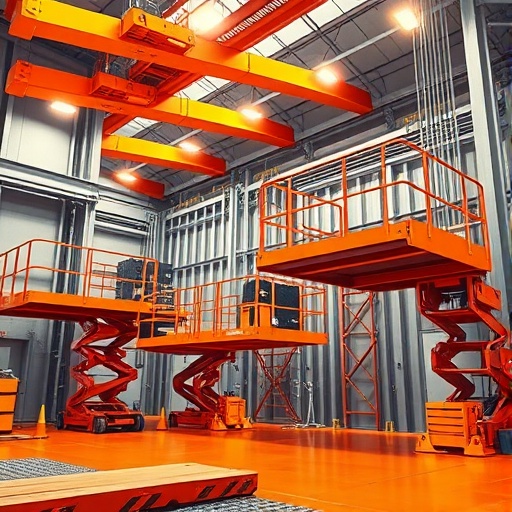
Aluminum work platforms deliver unmatched durability in harsh industrial environments, resisting corrosion from moisture, chemicals, and temperature swings that plague steel alternatives. Their anodized surfaces form a protective oxide layer, ensuring longevity even in exposed outdoor settings like loading docks or silos. Despite this toughness, aluminum weighs far less than steel—up to 60% lighter—allowing single workers to maneuver platforms without cranes or heavy lifting gear. This portability speeds setup and teardown, crucial for dynamic sites involving material handling. In heavy-duty tasks, such as supporting loads near conveyors or racks, aluminum's high strength-to-weight ratio prevents sagging or failure under pressure. Manufacturers engineer these platforms with reinforced joints and extruded profiles to handle repeated impacts from tools or equipment. The result? Reduced shipping costs and easier storage, making aluminum work platforms a smart investment for warehouses and factories. Over time, their low maintenance needs— no frequent painting or rust treatment—cut operational expenses. Teams appreciate how this combination of resilience and lightness enhances safety, as lighter units lower the risk of back injuries during relocation. Ultimately, choosing aluminum builds efficiency into every industrial work platform deployment.
Platform Height Considerations
Platform height drives the effectiveness of aluminum work platforms, dictating reach and usability in elevated industrial tasks. Standard models range from 4 to 20 feet, adjustable via telescoping legs or stacking sections to match specific job heights, like accessing mezzanine shelves or gantry tops. Workers prioritize heights that align with eye level for tasks on cranes or silos, minimizing awkward stretches that lead to fatigue. In warehouses, lower heights suit loading dock interactions with truck and trailer beds, while taller ones target overhead racks or conveyor maintenance. Custom heights accommodate unique setups, such as cantilever extensions over bridges or stairs leading to platform levels. Safety demands include fall protection starting at heights over 4 feet, with guardrails mandatory above 10 feet per regulations. Aluminum's lightweight nature allows taller configurations without excessive bracing, reducing assembly time. Engineers calculate height based on load distribution to ensure stability, preventing tip-overs during heavy-duty use. Facilities managers assess ceiling clearances and floor loads before selection, ensuring the platform height integrates with existing material handling equipment. Proper height choice not only boosts productivity but also fosters ergonomic benefits, keeping workers comfortable and focused during prolonged industrial work.
Ergonomic Design for Safety and Efficiency
Ergonomic design in aluminum work platforms prioritizes worker comfort and safety, incorporating wide decks for natural movement and anti-fatigue matting to cushion feet during long shifts. Handrails at optimal heights—around 42 inches—provide secure grips, reducing slip risks on non-slip aluminum grating that drains spills effectively. Access via integrated stairs or gates ensures smooth entry without climbing hazards, vital in busy warehouses near conveyors or racks. Adjustable components, like tilting platforms, align with body mechanics for tasks on cylinders or silos, cutting strain on backs and shoulders. Lighting mounts and tool holders keep essentials within reach, streamlining workflows in low-visibility areas like loading docks. Aluminum's smooth edges prevent cuts, while modular builds allow customization for specific ergonomic needs, such as wider gates for mobility aids. These features enhance efficiency by minimizing downtime from discomfort or accidents, directly impacting industrial productivity. Compliance with ANSI standards guarantees designs that support safe postures, fostering a culture of reliability. Teams using such platforms report fewer injuries and higher output, proving ergonomics as a cornerstone of effective industrial work platforms in heavy-duty scenarios.
Choosing the Right Work Platform for Your Needs
Evaluating Load Capacity and Duty Rating
Load capacity and duty rating form the backbone of selecting aluminum work platforms, ensuring they withstand the demands of heavy-duty industrial tasks. Capacities typically range from 500 to 2,000 pounds, covering personnel, tools, and materials like those handled on cranes or near racks. Duty ratings classify platforms as light, medium, or heavy, with heavy-duty models built for dynamic loads in warehouses or loading docks. Aluminum alloys, such as 6061-T6, provide tensile strength exceeding 40,000 psi, supporting weights without deformation. Buyers assess peak versus uniform loads—for instance, concentrated weights from cylinders require reinforced sections. Certifications from bodies like UL verify ratings, preventing overload failures. In material handling integrations, platforms must match equipment specs to avoid imbalances. Facilities evaluate usage frequency; intermittent tasks suit medium ratings, while constant operations demand heavy-duty builds. Cost-benefit analysis weighs higher-capacity models' longevity against cheaper alternatives. Proper evaluation safeguards workers, extends equipment life, and optimizes industrial work platforms for reliable performance across silos, mezzanines, and beyond.
Assessing Platform Stability and Guardrails
Platform stability and guardrails define the safety profile of aluminum work platforms, critical for preventing accidents in elevated industrial environments. Stability relies on wide bases, outriggers, and locking casters that anchor units firmly on uneven warehouse floors or loading docks. Aluminum frames distribute weight evenly, resisting sway during tasks near conveyors or truck and trailer movements. Guardrails, typically 42 inches high with midrails and toeboards, encircle open sides to contain falls of workers or dropped tools. Toeboards at 4 inches high block items from slipping off edges, essential around racks or silos. Modular guardrail systems allow reconfiguration for access points like stairs or gates, maintaining protection without gaps. Wind ratings matter for outdoor use, with braces countering gusts on bridges or gantries. Testing protocols simulate vibrations from material handling equipment to confirm stability. Buyers inspect weld quality and bolt torque for enduring integrity. Integrating lockable wheels enhances security in high-traffic areas. Thorough assessment ensures industrial work platforms stand rock-solid, building trust and compliance in heavy-duty applications.
Compatibility with Material Handling Equipment
Compatibility with material handling equipment elevates aluminum work platforms from standalone tools to integral system components in industrial operations. Seamless integration with cranes, gantries, and conveyors allows platforms to hoist or position precisely for tasks on mezzanines or silos. Mounting brackets and hoist rings on aluminum frames facilitate secure attachments, supporting loads during transfers to truck and trailer bays. Forklift pockets enable easy relocation, syncing with warehouse flows around racks or cylinders. Electrical compatibility, like grounding points, pairs platforms with powered material handling gear for safe operations. Custom adapters bridge gaps between platform designs and equipment specs, such as aligning heights for conveyor loading. Aluminum's non-magnetic properties suit environments with sensitive electronics in cranes. Vendors offer kits for retrofitting older systems, ensuring broad applicability. Evaluating interface standards— like ISO fittings—prevents mismatches that cause downtime. In heavy-duty settings, this synergy boosts throughput, as platforms move fluidly with automated lines. Prioritizing compatibility transforms industrial work platforms into versatile assets, enhancing overall material handling efficiency and safety.
Popular Applications of Aluminum Work Platforms
Use in Warehouses and Loading Docks
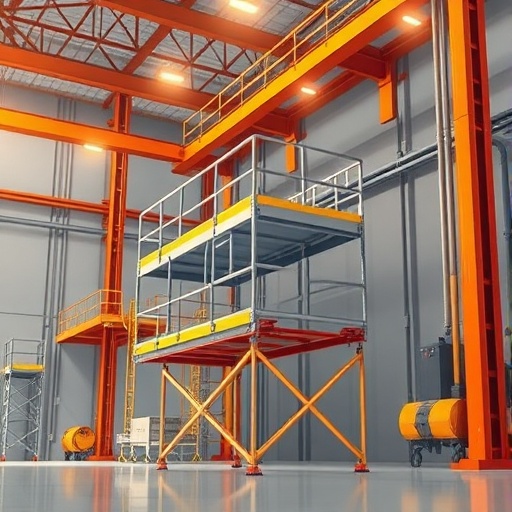
Warehouses and loading docks thrive on aluminum work platforms for their agility in fast-paced inventory and shipping tasks. Workers access high racks to retrieve or stock goods, with platforms' adjustable heights matching varying shelf levels without ladders. At loading docks, they bridge gaps between mezzanines and truck and trailer beds, facilitating secure loading of heavy pallets via material handling equipment. Aluminum's corrosion resistance handles exposure to forklift fumes and weather, outlasting steel in humid storage areas. Integrated stairs provide quick dock access, while guardrails protect against falls during conveyor integrations. In peak seasons, mobile platforms roll between aisles, supporting cylinder handling or bridge crossings over conveyors. These setups reduce injury claims by offering stable footing over slippery surfaces. Efficiency gains shine in order fulfillment, where platforms speed picking from elevated spots. Maintenance teams use them for overhead lighting or HVAC checks, minimizing disruptions. Adopting aluminum work platforms in warehouses builds a reputation for streamlined operations, directly impacting throughput and worker satisfaction in demanding logistics environments.
Integration with Cranes and Gantries
Integration with cranes and gantries amplifies the utility of aluminum work platforms, enabling precise elevated access in manufacturing and assembly lines. Platforms attach via slings or hooks to crane hoists, positioning workers at exact heights for welding beams or inspecting gantry mechanisms. Lightweight aluminum reduces crane load limits, allowing heavier tool payloads during tasks on silos or bridges. Modular designs detach easily for gantry rail travel, supporting continuous movement along production paths. Safety features like lockout points sync with crane controls, preventing unintended drops. In heavy-duty steel mills or shipyards, platforms endure vibrations from overhead operations, with reinforced edges guarding against impacts. Material handling compatibility includes tie-downs for securing loads during transit. Teams customize platforms with extension arms for reaching cantilevered areas beyond gantry spans. This pairing cuts setup time compared to scaffolding, boosting project timelines. Regular use in crane-integrated setups fosters ergonomic workflows, as adjustable heights align with operator lines of sight. Aluminum work platforms thus become indispensable for safe, efficient crane and gantry applications across industrial sectors.
Access Solutions for Mezzanines and Silos
Access solutions for mezzanines and silos leverage aluminum work platforms to conquer vertical challenges in storage and processing facilities. Mezzanine platforms install as fixed levels, complete with stairs and guardrails, providing dedicated walkways for inventory management above warehouse floors. Their lightweight aluminum construction eases retrofits into existing structures without overloading beams. For silos, cantilever platforms extend over grain or material chutes, allowing inspections or cleanouts at depths unreachable by standard ladders. Adjustable heights accommodate varying silo dimensions, while non-slip decks handle dusty or oily conditions. Integration with material handling equipment, like hoists for tool lifts, streamlines maintenance on internal ladders or cylinders. Guardrails with swing gates ensure safe entry points, vital in confined spaces. In food or chemical plants, aluminum's hygiene benefits prevent contamination. Mobile versions roll to multiple silos, offering flexible access without permanent fixtures. These platforms enhance safety by eliminating improvised climbs, reducing fall risks. Facilities gain productivity as workers navigate mezzanines swiftly, accessing racks or conveyors overhead. Aluminum work platforms deliver reliable, tailored solutions that elevate operational access in mezzanine and silo environments.
Maintaining Your Industrial Work Platform
Regular Inspection and Maintenance Tips
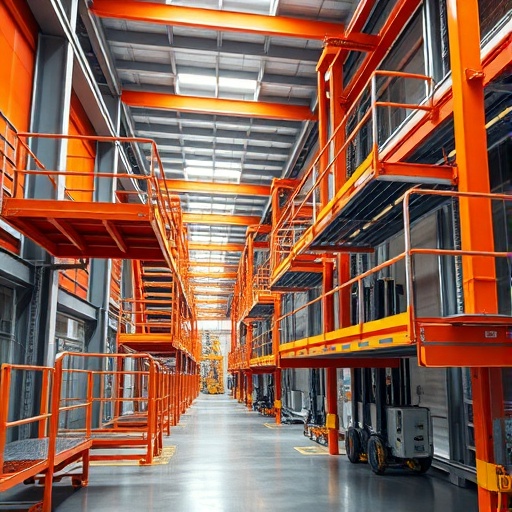
Regular inspection and maintenance keep aluminum work platforms performing reliably in rigorous industrial settings. Schedule monthly visual checks for cracks in frames, loose bolts, or worn guardrails, using torque wrenches to retighten connections after heavy use near cranes or conveyors. Clean decks with mild detergents to remove debris from warehouse dust or loading dock spills, preserving non-slip surfaces. Lubricate moving parts like casters or hinges quarterly to ensure smooth mobility around racks or silos. Annual professional audits verify load capacities, especially after integrations with material handling equipment. Document all maintenance in logs to track patterns and comply with OSHA standards. For aluminum, inspect anodized coatings for damage, touching up scratches to fend off corrosion in humid environments. Train staff on daily pre-use rituals, such as testing stability before ascending stairs or platforms. Address environmental factors—secure against winds for outdoor bridge use. Proactive upkeep prevents minor issues from escalating, extending platform life and safeguarding workers. Consistent routines build a foundation for safe, efficient industrial work platforms that support uninterrupted heavy-duty operations.
Signs of Wear and When to Replace
Signs of wear in aluminum work platforms signal the need for timely replacement to maintain safety and performance in industrial applications. Look for dents or bends in frames from impacts near truck and trailer docks, which compromise structural integrity. Corrosion spots on joints, despite aluminum's resistance, indicate exposure to harsh chemicals in silos or mezzanines—replace if pitting exceeds 10% of surface area. Wobbly guardrails or stairs that creak under light loads point to fatigue; immediate swap prevents falls during elevated tasks. Frayed non-slip treads or rusted casters hinder mobility around conveyors, demanding new units to avoid slips. Overload history shows via permanent deformations on load-bearing sections, especially post-heavy material handling. Electrical components, like grounding straps, must stay intact for crane integrations—faulty ones require full replacement. Monitor usage logs; platforms in constant warehouse rotation wear faster than static ones. Consult manufacturers for lifespan estimates, typically 10-15 years with care. Ignoring signs risks accidents, eroding your reputation for safety. Proactive replacement ensures industrial work platforms remain robust assets, protecting teams and upholding operational standards.
Building a Reputation for Safety and Reliability
Building a reputation for safety and reliability starts with committing to high-quality aluminum work platforms that exceed basic compliance in industrial environments. Invest in certified models with robust guardrails and ergonomic features, demonstrating proactive risk management to stakeholders. Train employees rigorously on usage protocols, from proper loading on mezzanines to secure integrations with cranes and gantries. Publicize safety records through certifications and case studies, showcasing zero-incident streaks in warehouses or loading docks. Partner with reputable suppliers who offer warranties and support, reinforcing trust in your material handling setups. Regular audits and transparent maintenance schedules highlight dedication to uptime, minimizing disruptions around conveyors or racks. Engage workers in feedback loops to refine platform deployments, fostering a culture where safety drives innovation. Highlight successes, like ergonomic designs reducing injuries in silo access, to attract talent and clients. In competitive industries, this reputation translates to contracts favoring reliable operations over cost-cutting. Aluminum work platforms, maintained meticulously, become symbols of excellence, solidifying your standing as a leader in safe, efficient industrial work.
See Also
- Transforming Loading Docks with Advanced Industrial Work Platforms
- From Gantries to Scaffolding Exploring Versatile Work Platforms
- Innovative Designs in Industrial Work Platforms for Enhanced Productivity
- How to Optimize Warehouse Operations with Ergonomic Work Platforms
- Maximizing Safety on Industrial Work Platforms Using Guardrails